|
Description: |
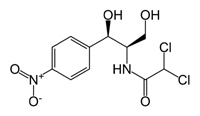
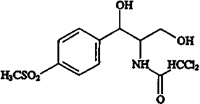
Chloramphenicol, thiamphenicol, and florfenicol are broad-spectrum antibacterials, bacteriostatic with closely related chemical structures, recently termed amphenicols. |
||
| Mechanism of action: |
Potent antibacterial agents acting by binding to the 50S ribosomal subunit, leading to inhibition of protein synthesis and bacteriostatic effect. These compounds inhibit peptidyl transferase activity and affect microbial protein synthesis.
|
||||||||||||||||||||||||||||||||
| Origin: |
|
||||||||||||||||||||||||||||||||
| Indications: |
It has been reported that florfenicol showed greater activity than chloramphenicol and thiamphenicol, especially against Pasteurella, Salmonella, E. coli and Staphylococcus aureus, Haemophilus sp. Moreover, Florfenicol has superior pharmacological and pharmacokinetics features over some other antimicrobials used in chicken industry. This drug is characterized by high bioavailability (F>80%), good tissue penetration and rapid elimination.
|
||||||||||||||||||||||||||||||||
|
Dosage: |
|
||||||||||||||||||||||||||||||||
| Drug interactions: |
|
||||||||||||||||||||||||||||||||
| Toxicity: |
The p-nitro group of Chloramphenicol is responsible for serious bone marrow toxicity and dose-independent irreversible aplastic anemia in humans. For this reason, the use of Chloramphenicol in food-producing animals has been banned.
|
||||||||||||||||||||||||||||||||
| Pharmacokinetics: |
|
||||||||||||||||||||||||||||||||
|
|||||||||||||||||||||||||||||||||
|
|||||||||||||||||||||||||||||||||
| Residues: |
Thiamphenicol - Following treatment with thiamphenicol in drinking water, concentrations of the parent drug in liver, kidney, muscle, and skin/fat tissues of broiler chickens were 310.2 ppb, 386.2 ppb, 852.4 ppb, and 20100 ppb,respectively, 1 day after the cessation of treatment, dropping to 7–21 ppb, less than 3 ppb, 4.6–57.8 ppb, and 5100 ppb at 17 days after cessation of treatment. Eggs from laying hens exposed to thiamphenicol through their diet were found to contain 72–190 ppb and 20–43 ppb at 4 and 7 days after cessation of treatment, respectively. At day 9, none of the laid eggs contained more than 20 ppb thiamphenicol.
|
||||||||||||||||||||||||||||||||
| Drug intercations: |
Doxycycline inhibits Florfenicol metabolism in two ways (inhibits the expression of CYP3A29, and the binding of florfenicol to R106 and R372), thus slowing down florfenicol metabolism.
|
||||||||||||||||||||||||||||||||
| Comments: |
Florfenicol, can cause drop in egg hatchability in breeders (mammalian toxicity studies indicate the potential for early embryonic death in utero or testicular damage). Decreased hatchability was associated with embryonic death at 5 days of development. The toxic effects of florfenicol were completely reversible with comparable hatchability being present by day 4 post-treatment withdrawal. Toxicity correlated with total egg florfenicol concentrations with an LC50 of 1.07 μg/g. |
||||||||||||||||||||||||||||||||