Surge in Salmonella Infections in the Netherlands
RIVM 26 December, 2025 A new report from the Dutch National Institute for Public Health and the Environment (RIVM) reveals a significant and concerning increase in infections caused by the bacterium Salmonella Enteritidis. According to the latest data, 2024 saw the number of reported infections double compared to the levels recorded prior to the COVID-19 pandemic.The surge in 2024 is attributed to a high frequency of small, independent infection clusters scattered across the country, rather than a single large-scale outbreak. Read More
Poland: Over 7 Million Birds Culled in 2025 Due to Newcastle Disease
25 December, 2025 A comprehensive report released by the Polish Veterinary Services, updated as of December 23, 2025, reveals a stark escalation of Newcastle Disease (ND) outbreaks across the country. The data indicates a significant epidemiological shift, posing a severe threat to the regional poultry industry.In 2025, Poland identified 80 distinct outbreaks of Newcastle Disease, a dramatic increase compared to the 21 outbreaks recorded in 2024. The impact on poultry populations has been devastating, with over 7 million birds culled or lost to the disease, more than doubling the 2024 figure of approximately 3 million. Read More
Kosovo Destroys 2 Tons of Salmonella-Tainted Polish Chicken
24 December, 2025 The Kosovo Food and Veterinary Agency (KFVA) has ordered the immediate destruction of a substantial shipment, totaling 2,064 kilograms, of mechanically deboned meat (MDM) originating from a major Polish producer. The intervention followed a positive laboratory test for Salmonella spp.According to official reports, the meat was produced by Cedrob S.A. Following mandatory sampling, laboratory analysis confirmed the presence of the pathogen, leading authorities to declare the entire consignment unfit for human consumption. The disposal was carried out under strict official supervision. Read More
Enhanced Human Adaptation of Clade 2.3.4.4b H5N1
Lancet Microbe | 2025 20 December, 2025 A new study published in The Lancet Microbe reveals that contemporary clade 2.3.4.4b H5N1 influenza viruses, including those recently isolated from cows and wildlife, exhibit phenotypic changes that may increase their risk for human infection compared to older H5N1 strains. Researchers from the Erasmus University Medical Center investigated the attachment and replication efficiency of three recent H5N1 clade 2.3.4.4b viruses (Gull2022, Polecat2022, and Bovine2024) and compared them to a 2005 H5N1 strain. Read MoreUS Poultry: A Decade of Antibiotic Stewardship
20 December, 2025 The U.S. Poultry & Egg Association (USPOULTRY), in collaboration with the FDA and Mindwalk Consulting Group, has released its latest report quantifying antibiotic usage trends in the U.S. poultry industry over the past decade. The 2024 data reveals a sustained commitment to the reduction of medically important antimicrobials, particularly in hatcheries, while identifying specific disease pressures, such as avian metapneumovirus (aMPV) and gangrenous dermatitis, that have necessitated targeted therapeutic interventions in recent years. Read MoreWOAH: "Unprecedented Biodiversity Loss" as HPAI Devastates Wildlife Globally
18 December, 2025 The World Organisation for Animal Health (WOAH) has released a critical statement addressing the catastrophic impact of High Pathogenicity Avian Influenza (HPAI) on wildlife populations worldwide. The organization reports that the current panzootic (a pandemic affecting animals) is causing unprecedented ecological disruption and mortality rates across a rapidly expanding range of species.According to the statement, the virus has demonstrated a worrying capacity to cross species barriers. While HPAI was historically associated with poultry and wild waterfowl, recent strains are heavily impacting mammals. Read More
UK Salmonella Enteritidis Outbreak Linked to Imported Eggs
17 December, 2025 Health authorities in the United Kingdom have reported a significant outbreak of Salmonella Enteritidis, with 123 confirmed human cases recorded in recent months. The vast majority of infections were detected in England (120 cases), with sporadic cases in Scotland and Wales. Notably, epidemiological data indicates that children are the primary demographic affected.A joint investigation by the UK Health Security Agency (UKHSA) and the Food Standards Agency (FSA) has successfully traced the source to a single distributor of imported eggs. While the specific country of origin has not been officially disclosed, authorities emphasized that the implicated eggs are non-UK produce and lack the "Lion Code" quality assurance stamp. Read More
EFSA: Avian Influenza Persists in Europe
17 December, 2025 The European Food Safety Authority (EFSA) has released its 2024 Annual Report on Avian Influenza, providing a comprehensive overview of surveillance activities and disease scope across the continent. Based on data from 31 reporting countries, the report underscores the continued threat posed by the virus to poultry, wild birds, and increasingly, mammals.A total of 276,621 records were submitted under the Avian Influenza Data Collection (AIDC) framework. Surveillance activities encompassed active and passive monitoring aimed at detecting both highly pathogenic (HPAIV) and low pathogenic (LPAIV) viruses. Read More
Internal Genes Drive H5N1 Adaptation to Dairy Cattle, Study Finds
Nature Communications | 2025 16 December, 2025 A new study published in Nature Communications sheds light on the molecular mechanisms allowing the H5N1 avian influenza virus to cause widespread outbreaks in dairy cattle. Researchers from the University of Glasgow and international collaborators reveal that the virus's ability to replicate in bovine cells is not a universal trait of H5N1 but is specific to the internal gene constellations of recent 2.3.4.4b clade genotypes.While much attention is often placed on surface proteins (Hemagglutinin and Neuraminidase) regarding host jumps, this study highlights the critical role of the virus's internal gene cassette (PB2, PB1, PA, NP, M, and NS). The researchers generated over 80 recombinant viruses representing 60 years of H5N1 evolution. Read More
New Insights into Antimicrobial Use in the European Poultry Sector
16 December, 2025 The release of the second annual report under the ESUAvet framework marks a significant milestone in veterinary surveillance. Covering data from 29 nations (27 EU Member States, Iceland, and Norway), the 2024 report is the first to enforce mandatory reporting of antimicrobial use by specific animal species, specifically cattle, pigs, chickens, and turkeys.Chickens: The total biomass for chickens across the reporting countries in 2024 stood at 17.5 million tonnes, representing a marginal decrease of 0.72% compared to 2023. The population is heavily skewed towards meat production, with broilers comprising 93.9% of the biomass and laying hens accounting for the remaining 6.1%.
To ensure statistical accuracy, the analysis focused on 13 countries that achieved a data coverage rate of ≥90%.
Penicillins emerged as the most frequently used antimicrobial class in six of the analyzed countries. Other significant classes included Macrolides, Tetracyclines, and Sulfonamides. Read More
The Shift to S. infantis: An Emerging MDR Threat in Broiler Production
Geospatial Health 2025; 20:1416 15 December, 2025 A recent systematic review published in Geospatial Health highlights a critical serovar shift in the U.S. poultry industry. While control measures have successfully reduced traditional serotypes, Salmonella infantis has rapidly emerged as a dominant and multidrug-resistant (MDR) pathogen in broiler systems.Between 2015 and 2020, S. infantis prevalence in raw chicken parts surged from less than 4% to nearly 25%. Models predict that without targeted intervention, S. infantis is on a trajectory to become the dominant serotype in chicken parts. The review identifies S. infantis as the primary driver of rising antibiotic resistance in poultry products. While resistance trends for S. enteritidis, S. typhimurium, and S. kentucky have remained flat or declined, the fraction of isolates resistant to critically important antibiotics has doubled, a trend attributable almost entirely to S. infantis. Read More
Investigation of Salmonella Enteritidis Outbreak Linked to Eggs
13 December, 2025 The California Department of Public Health (CDPH), in collaboration with local health jurisdictions and the California Department of Food and Agriculture (CDFA), is currently conducting a coordinated investigation into an outbreak of Salmonella Enteritidis infections associated with the consumption of commercial eggs.As of December 5, 2025, surveillance data indicates that 63 California residents have contracted the specific strain associated with this outbreak. Clinical outcomes have resulted in 13 hospitalizations; to date, no mortalities have been reported. Read More

Hundreds of Storks Found Dead Near Madrid
Source: Reuters 12 December, 2025 According Reuters, Spanish forestry agents have detected four distinct outbreaks of avian influenza in wild birds within the central Madrid region. The viral surge has resulted in the collection of hundreds of dead storks over recent weeks, with more than 100 carcasses discovered in the last 24 hours alone. These outbreaks are indicative of an unprecedented wave of avian influenza sweeping across Europe this season. Read MoreEuropean HPAI Cases Surge as Winter Approaches
11 December, 2025 A new quarterly report released by the European Food Safety Authority (EFSA), the European Centre for Disease Prevention and Control (ECDC), and the EU reference laboratory (EURL) paints a grim picture of the avian influenza landscape in Europe. Data covering the period between 6 September and 28 November 2025 indicates a significant resurgence of the virus. A total of 442 outbreaks were reported in domestic birds, alongside 2,454 detections in wild birds across 29 European countries.The report is unambiguous regarding the immediate future, with the EFSA explicitly stating that "new outbreaks [are] expected in Europe until winter ends." Read More
Senators Urge USDA to Speed Up Bird Flu Vaccine Strategy
11 December, 2025 In a formal letter addressed to U.S. Department of Agriculture (USDA) Secretary Brooke Rollins, a coalition of United States Senators has urged the agency to prioritize and expedite a science-based vaccination strategy to combat High Pathogenicity Avian Influenza (HPAI). The appeal, dated December 11, 2025, emphasizes the need for a comprehensive approach covering both poultry and livestock sectors impacted by the virus. The Senators highlighted the devastating scale of the current outbreak, which began in 2022. To date, HPAI has affected over 184.03 million birds across 1,905 flocks, including more than 21.1 million turkeys and 141.1 million layers, as well as 1,083 dairy herds nationwide. With infection rates already rising as winter approaches, the signatories stressed that renewed action is essential to safeguard animal health. Read MoreEU: Campylobacter Remains Top Zoonosis
10 December, 2025 According to the 2024 report recently released by the European Food Safety Authority (EFSA) and the European Centre for Disease Prevention and Control (ECDC), Campylobacter continues to be the most common zoonotic agent in humans in the EU, a position it has held since 2005.In 2024, 168,396 confirmed human cases of campylobacteriosis were reported, corresponding to a notification rate of 55.3 cases per 100,000 population, an increase of 11.9% compared to 2023. The five-year trend analysis (2020–2024) indicates a statistically significant increase in infections. Read More
EU One Health 2024 Report: Rising Salmonella Trends
9 December, 2025 The latest European Union One Health Zoonoses Report identifies Salmonellosis as the second most common zoonosis in humans and the leading cause of food-borne outbreaks. According to the 2024 report recently released by the European Food Safety Authority (EFSA) and the European Centre for Disease Prevention and Control (ECDC), Salmonella infections continue to pose a significant public health burden, with a statistically significant increasing trend observed over the period of 2020–2024. Read MoreThe ECDC Launches Scalable Framework to Tackle Zoonotic Flu Threats
4 December, 2025 The European Centre for Disease Prevention and Control (ECDC) has released a new, scenario-based guide to enhance the EU/EEA's preparedness and response to zoonotic influenza strains with pandemic potential, such as avian A(H5N1) and swine flu viruses. This proactive measure comes amid the unprecedented and widespread circulation of Highly Pathogenic Avian Influenza (HPAI) A(H5N1) among European bird and animal populations, which increases the risk of spillover to humans. Read MoreGenomic Analysis of the First S. Enteritidis Outbreak in the New Zealand Poultry Sector
2 December, 2025 A new study published in Microbial Genomics investigates the first documented outbreak of Salmonella Enteritidis (specifically sequence type ST11) in New Zealand's poultry sector, which was linked to both human illness and poultry production environments. Prior to 2021, this pathogen had not been detected in local poultry flocks, with human cases historically attributed to international travel. The researchers analyzed 231 S. Enteritidis genomes from human cases and poultry sources, revealing that the outbreak strain emerged around February 2019. Genomic data indicated significant amplification and spread within the poultry industry, with transmission events occurring across various points in the production chain. Phylodynamic analysis identified a specific hatchery as the most probable origin of the infection. Read MoreFirst Confirmed Case of HPAI H5N1 Detected in Feline Population in the Netherlands
2 December, 2025 Wageningen Bioveterinary Research (WBVR) has confirmed the first recorded case of highly pathogenic avian influenza (HPAI) in a domestic cat within the Netherlands. On November 19, a kitten found deceased at a farm housing dairy goats tested positive for the H5N1 virus strain.Following the confirmation, a specialist team from the Netherlands Food and Consumer Product Safety Authority (NVWA) conducted an on-site investigation on November 20. The team performed clinical examinations and collected samples from the remaining animals on the premises, which included three adult cats, among them the mother of the infected kitten, and the resident dairy goats. Read More
Avian Influenza A Tolerates Mammalian Fever
Science 27 November 2025 29 November, 2025 A pivotal study published in Science elucidates a critical mechanism governing the severity of zoonotic influenza infections. Researchers have demonstrated that the core body temperature differential between birds and mammals acts as a primary barrier to viral replication, which is effectively reinforced by the mammalian febrile response. However, avian influenza A viruses (IAVs), having evolved to replicate within the higher physiological temperatures of avian hosts, possess a thermal resilience that allows them to bypass this innate immune defense. This thermotolerance is driven largely by the viral polymerase subunit PB1, a finding that offers new insights into the pathogenicity of historical pandemics and current zoonotic threats. Read MoreGenomic Sequencing Reveals: The Primary Sources of Human Salmonella Infections in Europe
Journal of Infection 91 (2025) 29 November, 2025 A new study published in the Journal of Infection utilizes Whole Genome Sequencing (WGS) to identify the sources of Salmonella infections across Europe. The research aimed to assess the relative contribution of various reservoirs (livestock, environmental sources, etc.) to human infections caused by the five most prevalent Salmonella serovars in Europe: S. Typhimurium, S. Enteritidis, S. Infantis, S. Newport, and S. Derby.The researchers analyzed WGS data from 10 European countries, comprising 3,548 Salmonella isolates obtained from both clinical (human) and non-clinical sources (animals, food, and the environment). Read More
Severe Campylobacter Outbreaks in Denmark Traced to Domestic Chicken Meat
Eurosurveillance | Volume 30, Issue 47, 27/Nov/2025 28 November, 2025 Two simultaneous and unusually severe outbreaks of Campylobacter jejuni infections sweeping through Denmark between July and October 2025 have been definitively linked to Danish-produced chicken meat. A new report from Statens Serum Institut (SSI) reveals that the outbreaks, which resulted in high rates of hospitalization, were caused by two distinct genetic clones of the bacteria found in the domestic food supply. Through advanced whole genome sequencing (WGS), researchers established a direct genetic match between the bacteria found in patients and concurrent isolates identified in Danish chicken meat by the Danish Veterinary and Food Administration. Read MoreSecond Human Case of Avian Influenza A(H5N2) Confirmed in Mexico
27 November, 2025 Mexican health authorities have confirmed that a human infection reported on 30 September 2025, initially classified as avian influenza A(H5), was identified as avian influenza A(H5N2). This represents the country’s second documented human case of H5N2. The first confirmed human infection with avian influenza A(H5N2) was reported on 23 May 2024 in a 59-year-old resident of the State of Mexico, who was hospitalized in Mexico City. Read MoreH5N1 D1.1 shows superior adaptation to human airway compared with B3.13
25 November, 2025 A study published in The Journal of Infectious Diseases examined the pathogenicity and host-adaptation features of two avian influenza A(H5N1) genotypes, D1.1 and B3.13, in relation to human infection. The data show that genotype D1.1, which has been increasingly implicated in recent severe human cases, displays significantly higher replication efficiency in human nasal and lower-airway organoids compared with B3.13. Read MoreAstral expands avian influenza vaccination programme in South Africa
25 November, 2025 South Africa’s largest broiler producer, Astral Foods, is expanding its avian influenza vaccination programme for breeder chickens to additional sites, following regulatory approval of more farms for vaccination. According to African Farming, the Department of Agriculture has authorised vaccination at two Astral breeder farms in Mpumalanga, in addition to the company’s initial vaccinated breeder site in Gauteng. Read MoreAvian influenza H5N1 in Heard Island southern elephant seals
25 November, 2025 Australian authorities have confirmed that highly pathogenic avian influenza (HPAI) H5N1 is responsible for the recent unexplained deaths of southern elephant seals on Heard Island in the southern Indian Ocean. The event was first noted at the end of October, when an abnormal mortality cluster among elephant seal pups was reported on the remote subantarctic island.Samples collected on-site were transferred to Australia for diagnostic evaluation. Scientists at the CSIRO’s Australian Centre for Disease Preparedness subsequently identified HPAI H5N1 in the submitted samples. This marks a significant detection in a vulnerable marine mammal population inhabiting one of the world’s most isolated ecosystems. Read More

A(H5N5) in animals in Europe and North America
Source: ECDC 22 November, 2025 Highly pathogenic avian influenza A(H5N5), clade 2.3.4.4b, continues to circulate widely across northern Europe, North America and parts of Asia, with an expanding geographic and host range. According to the ECDC, seven EU/EEA countries detected the virus in wild birds between October 2024 and September 2025, while Iceland and Norway also reported outbreaks in domestic poultry. Spill-over into mammals has been recorded in several European countries, including foxes, lynx, mink, otters and pine martens, and Iceland has additionally reported infections in domestic cats. In North America, Canada reported multiple detections in wild birds, one poultry outbreak and cases in mammals such as bobcat, skunk, raccoon and grey seal, alongside infections in domestic cats. Since early 2025, the United States has confirmed 11 detections in wild birds. Read MoreFirst Death From H5N5 Avian Influenza
22 November, 2025 A Washington State resident has become the first documented human fatality associated with the H5N5 avian influenza virus, a subtype not previously confirmed to cause disease in people. The case represents an unprecedented zoonotic event and marks the first known instance of H5N5 infection in humans worldwide. Read More
Singapore to Launch Pilot of Ceva’s Avian Influenza Vaccine in Wildlife Collections
21 November, 2025 Ceva Animal Health has announced a pilot vaccination programme targeting highly pathogenic avian influenza (HPAI) in zoological birds in Singapore, in collaboration with the National Parks Board (NParks), Mandai Wildlife Group and the Ceva Wildlife Research Fund. The initiative will take place within the Mandai Wildlife Reserve parks and is planned to begin in 2026. Selected species, with emphasis on birds of prey and threatened taxa, will receive a next-generation avian influenza vaccine. Read MoreWorld-First Avian Influenza Spillovers Emerge in the United States
19 November, 2025 Since its introduction into the United States in early 2022, highly pathogenic avian influenza A(H5N1) has undergone a marked ecological and evolutionary expansion. A sequence of unprecedented, first-in-the-world events recorded in the United States illustrates how sustained viral circulation, coupled with insufficient containment, has enabled the virus to cross fundamental host and species barriers at a pace not observed previously.The most consequential shift emerged in March 2024, when USDA confirmed H5N1 infection in dairy cattle in Texas and Kansas, including direct detection of virus in unpasteurized milk. This was the first global documentation of H5N1 replication in dairy cattle and in raw milk, signaling a substantive change in the virus’s mammalian tropism. Read More
Vertical Transmission of Bovine H5N1 in Pregnant and Lactating Mice
bioRxiv | November 15, 2025 17 November, 2025 A recent bioRxiv preprint examines the pathogenesis and transmission dynamics of the bovine-derived H5N1 influenza A virus (genotype B3.13) during pregnancy in a murine model. Pregnant mice were infected at defined gestational stages to characterize maternal–fetal viral dissemination, evaluate the likelihood of vertical transmission, and determine postnatal developmental consequences. The study shows that bovine B3.13 H5N1 is capable of in utero transmission, with viral antigen detected in placental and fetal tissues, particularly following mid-gestation infection (E10). Read MoreThe first evidence of H5 HPAI infections in wild bats globally
bioRxiv | November 11, 2025 16 November, 2025 Highly pathogenic avian influenza A/H5N1 clade 2.3.4.4b has expanded rapidly across multiple continents, causing extensive mortality in birds and marine mammals and an unprecedented scope of mammalian spillover. Despite widespread infection in terrestrial and marine mammals, bats had not previously been implicated as hosts for H5 viruses.A new study reports the first evidence of H5 influenza A virus (IAV) infections in wild vampire bats (Desmodus rotundus) along Peru’s coastal regions. The researchers demonstrated that vampire bats experience repeated exposure to H5 IAVs, particularly those affecting marine wildlife during the 2.3.4.4b epizootic. Read More
FDA warns of avian influenza in raw pet food
15 November, 2025 A recent announcement from the US Food and Drug Administration confirms that two lots of frozen raw pet food have tested positive for highly pathogenic avian influenza H5N1. The investigation was triggered after a pet cat in San Francisco developed severe illness and was ultimately euthanized. Diagnostic testing linked the virus detected in the animal to the same strain present in bags of RAWR Raw Cat Food Chicken Eats consumed by the pet.Genomic characterization identified the virus as genotype B3.13. This genotype has been detected previously in other brands of raw poultry-based pet foods implicated in feline illness and mortality, indicating a recurring pattern of contamination within this product category. Read More
A marked decline in the southern elephant seal population
14 November, 2025 A study published in Communications Biology reports a marked decline in the southern elephant seal (Mirounga leonina) population at South Georgia (an island in the South Atlantic Ocean) following the emergence of highly pathogenic avian influenza viruses in 2023. The researchers documented a 47% reduction in breeding females at the island’s major colonies between 2022 and 2024, coinciding with the arrival of the virus. Read MoreFirst Human Case of H5N5
14 November, 2025 A Grays Harbor County, Washington, resident tested positive for H5N5 avian influenza virus. The patient is an older adult with underlying health conditions. The patient had a backyard flock of "mixed domestic poultry." This is the first known human infection with the H5N5 virus. Read MoreAbsence of Avian Metapneumovirus A and B in Eggs Indicates No Vertical Transmission
Avian Diseases | 2025 11 November, 2025 Avian metapneumovirus (aMPV) is a major pathogen of poultry worldwide, associated with respiratory disease and significant economic losses in the poultry industry. During 2023 and 2024, subtypes A and B were detected in commercial turkey and chicken flocks across several U.S. states, marking a resurgence and geographic expansion of the virus within the country. This renewed presence raises concerns regarding transmission dynamics, control strategies, and the broader impact on poultry health and production. Read MoreSalmonella Outbreaks Linked to Chicken Products, U.S., 1998–2022
Journal of Food Protection 88 (2025) 9 November, 2025 Salmonella is a leading cause of foodborne illness in the United States, with chicken products being a primary source. Despite efforts to reduce contamination, outbreaks attributed to poultry have remained persistent over the past two decades. A new study analyzes trends in Salmonella outbreaks linked to chicken from 1998 to 2022, focusing on product types involved, outbreak frequency, and potential prevention measures. Across 366 outbreaks, investigators recorded 10,344 illnesses, 1,426 hospitalizations, and 12 deaths. In 53% of outbreaks where product type was identifiable, raw chicken parts predominated, accounting for 68.6% of outbreaks and 53.8% of illnesses; Not Ready-To-Eat products comprised 8.3% of outbreaks and were over-represented among recalls and deaths. Restaurants and private homes were the primary preparation settings. Read MoreBritish Columbia Ostrich Culling Proceeds a Year After H5N1 Outbreak
8 November, 2025 A judicial decision marking the end of all legal recourse has paved the way for the full-scale depopulation of an ostrich flock at Universal Ostrich Farms in Edgewood, British Columbia, following a confirmed outbreak of highly pathogenic avian influenza (HPAI) H5N1 in December 2024. The Canadian Food Inspection Agency (CFIA) originally issued a “dispose of birds” order on 31 December 2024, after laboratory confirmation of H5N1 in two deceased birds on the premises. During the course of the outbreak, approximately sixty-nine ostriches, around fifteen percent of the flock, died on the site, prompting quarantine measures and subsequent enforcement action. Read MoreWidespread Newcastle Disease Outbreaks in Poland
1 November, 2025 Since the beginning of 2025, Poland has reported 58 outbreaks of Newcastle disease across its territory. Nearly six million birds have been affected. Most outbreaks occurred in broiler flocks. The published information does not specify the genotype involved in these cases. Read MoreAsymptomatic Human H5N1 Infections Confirmed by Laboratory Testing
JAMA Network Open | 2025 31 October, 2025 Since 1997, more than 1,000 human infections with the highly pathogenic avian influenza A(H5N1) virus have been documented worldwide. Although most cases involve symptomatic illness, understanding the prevalence of asymptomatic infections is essential for assessing public health risks and developing effective infection control strategies. A review published in JAMA Network Open systematically analyzed published reports through August 2025 to identify laboratory-confirmed asymptomatic human infections with A(H5N1). Read MoreTiger deaths in Vietnam linked to mammalian-adapted H5N1 virus
Emerging Microbes & Infections | 2025 29 October, 2025 A new study published in Emerging Microbes & Infections investigates recent outbreaks of H5N1 avian influenza virus infections in tigers in Vietnam. The researchers collected samples from dead tigers in Vietnam between August and October 2024 and performed whole-genome sequencing. Phylogenetic analysis revealed that these H5N1 strains belonged to clade 2.3.2.1e, closely related to lineages causing ongoing human infections in Cambodia. Notably, the tiger-infecting viruses carried mutations such as E627K in the PB2 gene, known to enhance mammalian host adaptation, and additional amino acid substitutions associated with increased transmissibility and pathogenicity in mammals. Read More
H9N2 AI strain has potential to spark human pandemic
Emerging Microbes & Infections | 2025 29 October, 2025 Avian influenza A (H9N2) viruses have been circulating in poultry for decades and occasionally infect humans, typically causing mild disease. However, recent reports indicate an increasing number of human cases, suggesting enhanced viral adaptation to mammalian hosts. H9N2 viruses are of particular concern because they not only infect humans but also donate internal genes to other avian influenza viruses, including H5N1, H7N9, and H10N8, which have caused severe human disease. To assess whether contemporary H9N2 viruses have acquired greater human adaptation, a new study compared a 2024 human H9N2 isolate with a historical human isolate from 1999. Read MoreFinland: Campylobacter spp. in slaughtered turkeys
Food Microbiology Vol 134, March 2026 25 October, 2025 Campylobacter is the most frequently reported bacterial cause of foodborne gastroenteritis in humans worldwide, with poultry serving as its principal reservoir. Although broilers are often studied as a source of infection, data on Campylobacter in turkeys are limited because national production volumes fall below EU monitoring thresholds. A recent study investigated the prevalence, genetic diversity, and epidemiology of Campylobacter spp. in Finnish turkey flocks over a decade (2013–2023). Samples collected from Finnish turkey farms revealed that 9.5% of 1,856 turkey flocks and 82.9% of farms tested positive for Campylobacter, predominantly Campylobacter jejuni. Prevalence varied markedly by year, month, and farm, with peaks observed in summer and early autumn. Campylobacter contamination in Finnish turkey production is uncommon compared with international levels, likely reflecting high biosecurity standards, indoor rearing, and the use of competitive exclusion flora. Read MoreSuspected H5 in Elephant Seals on Sub-Antarctic Island
24 October, 2025 Australian researchers aboard the RSV Nuyina have reported unusual mortalities among elephant seals on sub-Antarctic Heard Island, with clinical signs suggestive of H5 avian influenza infection. If confirmed, this would represent the first detection of H5 virus in an Australian sub-Antarctic territory. Heard Island, part of the Heard Island and McDonald Islands external Australian territory, lies approximately 4,000 km southwest of Perth and 1,700 km north of Antarctica in the Southern Ocean. Read More
HPAI Kills Over 1,000 Migratory Cranes in Germany
23 October, 2025 More than 1,000 cranes were found dead at a major resting site near Linum, a town in northeastern Germany that serves as a key stopover for migratory cranes traveling across Europe. Similar findings have been reported at additional locations in Brandenburg and Mecklenburg–Western Pomerania.The German Federal Research Institute for Animal Health, Friedrich-Loeffler-Institut (FLI), announced on Monday (October 20) that samples collected from Mecklenburg–Western Pomerania, Brandenburg, Saxony-Anhalt, and Thuringia tested positive for the H5N1 subtype of highly pathogenic avian influenza. Read More
HPAI cases increase across Europe, Japan
22 October, 2025 Belgium has mandated the confinement of all poultry indoors beginning Thursday, October 23, after the detection of highly pathogenic avian influenza (HPAI) H5N1 on a turkey farm near Diksmuide in the country’s north. The outbreak occurred within the wetland zone surrounding the Blankaart Nature Reserve, a major gathering site for migratory waterfowl. The Blankaart wetland complex, composed of an artificial lake (Blankaart Waterproduce Centrum) and an extensive network of drainage canals, is regarded as one of Belgium’s most sensitive areas for avian influenza transmission due to its high density of wild birds. Read MoreFDA: Another egg recall
18 October, 2025 Kenz Henz of Santa Fe, Texas, has initiated a recall of its 12-count packages of “Grade AA Large Pasture-Raised Eggs” due to potential contamination with Salmonella. Read More
Outbreak of HPAI in Islas Malvinas
18 October, 2025 Swabs collected from three deceased Gentoo penguins at Bahía Yorke (Malvinas) tested positive for highly pathogenic avian influenza (HPAI). More than one hundred carcasses were observed at the site, with additional individuals displaying clinical signs of illness. Since Sunday, 12 October 2025, forty-one new suspected cases among birds or other animals have been reported. Three birds were submitted for laboratory examination, all of which tested positive. Read MoreAustralia: Enhancing Egg Safety Standards
17 October, 2025 Following approval by the FSANZ (Food Standards Australia New Zealand) Board, Australian food ministers are reviewing Proposal P1060, which seeks to update national standards for egg production and processing to maintain eggs as a safe and reliable food choice.The proposed revisions aim to further mitigate the risk of Salmonella contamination, including Salmonella Enteritidis (SE), within the egg supply chain. Read More

FDA: Recall on More Than 6 Million Eggs
15 October, 2025 The U.S. Food and Drug Administration (FDA) conducted an inspection at the egg processing facility operated by Black Sheep Egg Company and collected environmental samples for analysis. Testing identified 40 samples positive for Salmonella, representing seven distinct strains, several of which are associated with human illness. At present, the FDA has no evidence indicating that this facility is linked to any ongoing outbreak.Following these findings, Black Sheep Egg Company initiated a voluntary recall and notified its direct customers to remove potentially contaminated products from distribution. To further protect public health, the FDA has issued a consumer alert advising consumers, retailers, and distributors not to eat, sell, or serve the recalled Black Sheep Egg Company products. Read More
WVPAC Global Congress Urges Wider Avian Influenza Vaccination
10 October, 2025 At the World Poultry Veterinary Association Global Congress (WVPAC 2025), attended by over 1,800 delegates, speakers called for expanded use of vaccination against avian influenza as part of a global control strategy. Experts emphasized that vaccination has proven highly effective in reducing and preventing transmission of HPAI, yet remains underutilized in many regions.Dr. Leslie Sims stressed that reliance on stamping out alone is unsustainable, urging strategic vaccination combined with improved biosecurity. Dr. David Swayne highlighted major ecological changes in the virus, including its spread to mammals, and noted that emergency vaccination campaigns in France and Latin America have already succeeded. Read More
Evolutionary Variation in H5N1 Adaptation to Bovine Cells
bioRxiv | 2025 4 October, 2025 A study published in bioRxiv investigated whether H5N1 viruses generally possess the capacity to adapt to bovine cells or whether this ability is restricted to specific clades and genotypes. Using recombinant viruses, the researchers demonstrated that bovine H5N1 genotypes (B3.13 and D1.1) replicate more efficiently in bovine cells compared with earlier avian strains. Adaptation to bovine cells is not universal but confined to certain H5N1 genotypes. Read More
France Outlines 2025-2026 National Vaccination Strategy Against HPAI
4 October, 2025 In September 2025, the French Ministry of Agriculture and Food released the updated official vaccination plan for the 2025–2026 campaign against Highly Pathogenic Avian Influenza (HPAI).France continues to apply a preventive vaccination strategy, targeting exclusively domestic ducks (Pekin, Barbarie, and Mulard) across the entire metropolitan territory. Commercial duck farms in production are subject to mandatory vaccination, while breeder flocks remain excluded when their hatching eggs or day-old ducklings are intended for export. The estimated vaccination volume is approximately 60 million ducks annually. Read More
Salmonella in the Netherlands, Annual Epidemiological Report 2024
2 October, 2025 In 2024, 1,665 human Salmonella cases were confirmed in the Netherlands, a clear increase compared with 2023 (1,516 cases) and above the pre-pandemic baseline of 2016-2019 (average ~1,322 cases). The most frequent serotypes remained Salmonella Enteritidis and Salmonella Typhimurium (including monophasic variants). Enteritidis showed a marked rise compared with the 2015-2019 period (619 cases in 2024 vs. ~357 pre-pandemic average).Whole Genome Sequencing (WGS) revealed extensive clustering: 84% of Enteritidis isolates clustered, yielding 96 clusters; Typhimurium produced 62 clusters, and other serotypes 107. Several clusters triggered outbreak investigations. Read More
Avian Influenza Surge in U.S. Turkeys
2 October, 2025 Over 700,000 turkeys died or were culled in September following avian influenza outbreaks on 18 farms. This sharp rise in outbreaks came after a relatively quiet period between March and August of this year. The assumption that the highly virulent virus can be controlled solely through biosecurity measures has repeatedly proven misguided, highlighting the need for a change in strategy and the integration of vaccination into disease control efforts. Read MoreHPAI H5N1 Reaches Crozet and Kerguelen Islands
Nature Communications | 2025 1 October, 2025 A new study published in Nature Communications reports the first confirmed incursions of highly pathogenic avian influenza (HPAI) H5N1 clade 2.3.4.4b into the sub-Antarctic Crozet and Kerguelen archipelagos. The virus was detected in October 2024 during mass die-offs of southern elephant seals and seabirds on Possession Island.Testing confirmed infection in more than 90% of carcasses across multiple species, including elephant seals, king penguins, and skuas. Genome sequencing placed the viruses within clade 2.3.4.4b genotype B3.2, and phylogeographic analyses suggest introductions from South Georgia in the South Atlantic. Evidence of cross-species transmission was observed, and some viral isolates carried the PB2 E627K mutation linked to mammalian adaptation. Read More
Campylobacter in Denmark
30 September, 2025 According to the Annual Report on Zoonoses in Denmark 2024 (published 2025), Campylobacter remains the leading bacterial cause of foodborne infections in Denmark, with both human outbreaks and extensive surveillance in poultry production being central to the national monitoring system. Read More
Salmonella Trends in Poultry in Great Britain, 2024
29 September, 2025 The Animal and Plant Health Agency (APHA) annual report shows notable shifts in Salmonella isolations across poultry species in Great Britain during 2024.In chickens, isolations fell sharply to 1,961 cases, a 25.5% reduction compared with 2023. The predominant serovars were Salmonella Idikan (34.6%), S. Kedougou (19.5%), and S. Montevideo (15.7%). Reports of S. Enteritidis remained low, with only 12 isolations recorded. The prevalence of regulated serovars in breeding, laying, and broiler flocks remained well below national targets, reflecting the continued effectiveness of the National Control Programmes. Read More
Understanding Avian Influenza Mortality
Science. 2025 Sep 25;389(6767):1292-1294. 26 September, 2025 Highly pathogenic avian influenza (HPAI) H5N1 has spread rapidly across the Americas since 2021, causing unprecedented mortality in wild birds and marine mammals. Yet, human deaths remain far fewer than in previous H5N1 outbreaks. Understanding why is vital for assessing future pandemic risks. Read MoreEfficacy of Inactivated H5 Clade 2.3.4.4b HPAI Vaccine in Turkeys
Lee, Jiho, et al. Avian Diseases (2025) 26 September, 2025 Clade 2.3.4.4b H5 highly pathogenic avian influenza (HPAI) continues to cause devastating global losses in poultry, with turkeys being among the most vulnerable species. Turkeys require a lower infectious dose compared to chickens and often exhibit more severe disease outcomes. Despite this, data on vaccine performance in turkeys remain limited compared with chickens. A new study by Lee et al. (2025) evaluated the efficacy of an inactivated, reverse-genetics–based H5N9 vaccine against a contemporary turkey H5N1 isolate to determine its protective capacity.Commercial broad-breasted white turkeys were vaccinated at different ages (3, 7, or 9 weeks) with a single dose of an inactivated H5N9 vaccine containing a clade 2.3.4.4b H5 hemagglutinin and a North American wild bird-derived N9 neuraminidase. At 10 weeks of age, all groups were challenged with the homologous H5N1 virus A/turkey/Indiana/22-003707-003/2022 (TK/IN/22). Read More
Study Links High Poultry Consumption to Higher Mortality Risk
Nutrients 2025, 17, 1370 24 September, 2025 New research from southern Italy suggests that eating large amounts of poultry may increase the risk of early death, particularly from gastrointestinal cancers. The study, published in Nutrients, followed nearly 5,000 adults over almost two decades.People who ate more than 300 grams of poultry per week had a 27% higher risk of dying from any cause compared with those eating less than 100 grams. The risk of dying from gastrointestinal cancers was more than twice as high in heavy poultry consumers, with men showing the strongest effect. Read More
New Wave of HPAI Outbreaks Hits U.S. Poultry Flocks
24 September, 2025 In the first half of September, a new wave of avian influenza outbreaks was reported in the United States, primarily affecting commercial turkey flocks. Of the 12 detected outbreaks, 10 occurred in turkeys. The cases were recorded across four states: in North Dakota, two flocks totaling approximately 101,400 birds; in South Dakota, eight flocks, one of them backyard poultry, with a total of about 364,550 birds; in Minnesota, one flock of 25,000 birds; and in Montana, a backyard flock of 5,800 birds. Altogether, nearly half a million birds have been affected in this wave. Read MoreAvian Influenza in Spain
24 September, 2025 Spain has recently lost its official status as “free from avian influenza” following the emergence of several outbreaks across different poultry farms. The most recent detection of highly pathogenic avian influenza virus H5N1 occurred in a large commercial table-egg layer facility near Olmedo, in Valladolid Province, housing approximately 760,000 hens. Immediately adjacent to the farm, on its southern boundary, lies a natural wetland known as Laguna Bodón de Malnombre, which is frequented by wild birds and may represent an additional risk factor for virus introduction or persistence. Read MoreSweden: Salmonella Outbreak in Nursing Homes
19 September, 2025 A Salmonella outbreak at a nursing home in Sörmland has been identified as part of a wider outbreak, with eggs considered the likely source of infection, according to an analysis by the Public Health Agency.Cases have been reported in eleven regions across the country, with 48 confirmed infections linked to the outbreak. Of these, 18 cases are in Sörmland. Read More
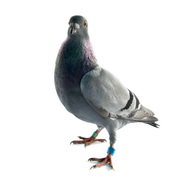
Limited Role of Pigeons in H5N1 Transmission
J Gen Virol. 2025 Sep;106(9) 18 September, 2025 A recent study published in the Journal of General Virology examined the susceptibility and transmission dynamics of highly pathogenic avian influenza virus (H5N1 clade 2.3.4.4b) in domestic pigeons (Columba livia). The findings indicate that pigeons show low susceptibility to this virus. Only birds inoculated with high doses demonstrated limited infection, characterized by low-level viral RNA shedding and seroconversion.Importantly, infected pigeons did not develop clinical signs and failed to transmit the virus to other pigeons or to chickens in direct contact experiments. Researchers suggest that differences in sialic acid receptor distribution between pigeons, chickens, and ducks may underlie this restricted susceptibility. Read More

Poland and China resume poultry trade with new agreement
16 September, 2025 Poland and China have reached an agreement to reopen poultry exports, marking a significant development for the European poultry sector. The Polish Ministry of Foreign Affairs announced on Monday that the agreement was signed in Beijing, with exports expected to resume within a month.China suspended imports of Polish poultry in 2024 following outbreaks of avian influenza. The suspension halted a trade valued at approximately USD 550 million, underlining the importance of the Chinese market for Polish producers. Read More
EFSA: #NoBirdFlu
15 September, 2025 EFSA and the European Commission have launched the #NoBirdFlu toolkit to strengthen farm biosecurity as the migratory season begins. The campaign provides practical guidance, translated into all EU languages, to help farmers and workers protect poultry, public health, and trade. Read MoreUK poultry sector cuts antibiotic use by 83% since 2012
11 September, 2025 The British Poultry Council (BPC) has reported an 83% reduction in total antibiotic use across the UK poultry meat sector since 2012. According to the newly published 2025 Antibiotic Stewardship Report, antibiotic use in chickens remained well below the government-approved RUMA target at 11.33 mg/pcu, while turkeys recorded 40 mg/pcu, also under the sector target. Ducks, although not subject to an official target, showed a continued downward trend at 0.58 mg/pcu. Read MoreSeal vaccination trial for avian influenza
10 September, 2025 A report dated September 9, 2025, on The Marine Mammal Center’s website describes a bird flu vaccine trial initiated in July 2025. Six northern elephant seals undergoing rehabilitation in Sausalito, California, received two doses of an avian influenza vaccine licensed for use in cattle, while two control animals received saline. Read MoreCat euthanized after bird flu from recalled pet food
5 September, 2025 Authorities euthanized a cat in San Francisco after it ate raw pet food and contracted the bird flu. Testing performed by the U.S. Food and Drug Administration suggests a link between the strain of H5N1 virus detected in the cat and in certain lots of RAWR Raw Cat Food Chicken Eats, a product the cat consumed before falling ill. Read More
New Zealand vaccinates endangered birds against HPAI
2 September, 2025 New Zealand has carried out a world-first vaccination program to protect its most endangered native bird species from avian influenza. The Department of Conservation trialed the Poulvac Flufend RG vaccine, an inactivated H5N3 vaccine, in kākāpō, takahē, kakī (black stilt), tūturuatu (shore plover), and kākāriki.Most species developed strong and lasting antibody responses, although kakī showed weaker protection, suggesting adjustments may be required. Read More
Sweden: Retail egg recalls for salmonella
2 September, 2025 On 27 August 2025, Sweden’s National Food Agency (Livsmedelsverket) announced precautionary recalls of specific retail egg products following the detection of Salmonella in the laying-barn environment of a producer. The recalls apply to Axfood’s Garant brand, ICA private-label packs, and Lidl Sweden products.Kronägg AB, the packing company associated with the recalled lots, simultaneously initiated its own recall of multiple pack sizes carrying the same egg stamp and packer code. According to Kronägg, the Salmonella was identified in the hen house environment during routine monitoring. Read More
HPAI spread driven by poultry farm density and proximity
30 August, 2025 The article published in Communications Biology (Guinat et al., 2025) examines the dynamics of highly pathogenic avian influenza (HPAI) H5N8 spread in southwestern France during 2020–2021, using phylogeographic and phylodynamic tools to analyze viral genetic sequences from numerous outbreaks. The study focuses on a region with exceptionally high poultry farm density, particularly duck farms, which acted as the main driver of viral dissemination. The analysis showed that a single introduction of the virus into the area resulted in extensive spread, with an average velocity of 10.5 km per week and a peak of 27.8 km per week in December 2020. Read MoreUSA: Salmonella outbreak linked to eggs
29 August, 2025 Federal health authorities are investigating a multistate outbreak of Salmonella Enteritidis infections traced to eggs distributed by Country Eggs, LLC, leading to a nationwide product recall.As of August 27, the Centers for Disease Control and Prevention (CDC) confirmed 95 cases across 14 states. Eighteen patients required hospitalization, though no fatalities have been reported. Illnesses occurred between January 7 and July 26, 2025.
Epidemiological investigations indicate eggs as the likely source. Whole genome sequencing performed through the CDC’s PulseNet network confirmed that patient isolates were genetically related, suggesting a common food source. Read More
Rapid tests for on-site detection of HPAI H5 in poultry
Microbiology Spectrum | 2025 28 August, 2025 A new study evaluated commercially available rapid antigen tests (lateral flow immunoassays, LFIAs) for their suitability as on-site pre-screening tools for detecting highly pathogenic avian influenza virus (HPAIV), particularly H5, in poultry. The aim was not to replace PCR but to provide supportive diagnostic capacity in outbreak situations.Five tests were initially reviewed; three (Clungene, Biopanda, Anigen) showed the best analytical sensitivity and inclusivity across all hemagglutinin subtypes (H1–H16). Read More

H5N1 HPAI Vaccination: The Mexican Experience, 2022–2024
Vaccine | 2025 28 August, 2025 A recent study assessed the efficacy of vaccination against highly pathogenic avian influenza (HPAI) H5N1 in Mexican poultry during emergency campaigns. Vaccines produced through reverse genetics, particularly those derived from H5N8 and H5N1 subtypes, elicited stronger immune responses, reflected by higher seroconversion and seroprotection rates, compared with conventional inactivated H5N2 vaccines.The results demonstrated that a single dose of reverse-genetics vaccines could induce a favorable immune response, with variability depending on bird type and vaccination period. Read More

The Universal Ostrich Farms H5N1 outbreak
24 August, 2025 In late December 2024, Universal Ostrich Farms in Edgewood, British Columbia, Canada, experienced an outbreak of highly pathogenic avian influenza (H5N1) among its ostriches. Within approximately 36 days, 69 ostriches died, representing about 15% of the flock. Two of the deceased birds tested positive for the virus. In response, the Canadian Food Inspection Agency (CFIA) implemented its long-standing “stamping-out” policy, a standard practice aligned with the guidelines of the World Organisation for Animal Health (WOAH). This policy mandates the culling of all birds on infected or exposed premises, accompanied by thorough environmental decontamination.Despite the absence of further ostrich mortalities since January, the CFIA issued an order to cull approximately 400 remaining ostriches in order to prevent the virus from persisting or undergoing mutation within the flock. Universal Ostrich Farms filed applications for judicial review. On May 13, 2025, the Federal Court dismissed these Read More
Prevalence of Campylobacter in Foods: A systematic review and meta-analysis
Critical Reviews in Food Science and Nutrition | 2025 16 August, 2025 The systematic review and meta-analysis conducted by Mwangi et al. explores the prevalence of Campylobacter spp., a leading cause of foodborne illnesses worldwide, across various food products and food chains. The study consolidates findings from multiple research sources to identify key food items implicated in campylobacteriosis and to emphasize the importance of effective control measures.The review highlights that poultry products are the most significant source of Campylobacter contamination, with a pooled prevalence exceeding 50%. Read More
Poland: Additional outbreaks of Newcastle Disease in poultry
10 August, 2025 The Chief Veterinary Officer has announced the detection of the 45th outbreak of Newcastle disease (ND) in poultry in the Republic of Poland in 2025, based on the results of laboratory tests conducted by the National Veterinary Institute - National Research Institute (PIWet–PIB) in Puławy.Outbreak no. 45/2025 was confirmed on 4 August this year, following laboratory testing of samples collected from turkeys on a commercial farm housing 78,040 slaughter turkeys in the village of Pełki, Bieżuń Commune, Żuromin County, Masovian Voivodeship. Read More
The complexity of H5N1 transmission in dairy farms
3 August, 2025 A recent bioRxiv preprint (not yet peer reviewed) examines the transmission dynamics of HPAI H5N1 on 14 dairy farms in California. Traditionally linked to poultry, the virus’s detection in cattle highlights concerns about novel transmission routes and zoonotic risk.Environmental sampling revealed:
Airborne spread: H5N1 RNA and infectious virus were found in aerosols within milking parlors and in cows’ exhaled breath during milking.
Waterborne contamination: Viral RNA was detected in wastewater, suggesting runoff may aid environmental persistence.
Subclinical intramammary infections: Milk samples showed widespread infection without overt mastitis, with heterogeneous distribution across udder quarters over time. Read More

Salmonella serovar surveillance in Poland’s food chain (2016–2020)
2 August, 2025 A recent study published in Pathogens provides a comprehensive update on Salmonella serovar distribution across Poland’s food chain between 2016 and 2020. A total of 7104 isolates were serotyped, revealing 175 distinct serovars.Dominant Serovars: S. Enteritidis (40.9%), S. Infantis (16.4%), and S. Typhimurium (5.1%) together accounted for over 60% of all isolates across the food chain. Read More
South Africa: new outbreaks of avian influenza
2 August, 2025 The Western Cape Department of Agriculture has reported new outbreaks of highly pathogenic avian influenza (HPAI). Recent cases have been confirmed in chickens in the North West and Mpumalanga provinces, while a poultry outbreak in the Western Cape was identified in early July among farmed ducks near Paarl. Read MoreNetherlands: Increase in Salmonella cases in humans and link to egg-laying sector
Eurosurveillance | Vol. 30, Issue 30, 31/Jul/2025 1 August, 2025 A new report published in Eurosurveillance presents an analysis of the recent surge in Salmonella Enteritidis (SE) infections in humans and laying hen flocks in the Netherlands between June 2023 and June 2025. The rise in cases is significant compared to pre-2023 levels and appears to be linked to widespread transmission within the poultry sector, particularly associated with contaminated eggshells used as a calcium source in poultry feed.The article details epidemiological and genomic surveillance data on SE infections in humans, revealing a marked increase beginning in mid-2023. Human cases rose from an annual average of approximately 281 (2017–2019) to over 400 in 2023, with elevated levels persisting thereafter. Concurrently, a substantial rise in SE-positive laying hen flocks was observed, increasing from an annual average of 30 (2018–2022) to over 70 in both 2023 and 2024. Read More
UK taskforce report summary on HPAI vaccination
26 July, 2025 In response to recurring outbreaks of Highly Pathogenic Avian Influenza (HPAI), particularly H5N1, the UK established a Joint Industry and Government Taskforce to evaluate vaccination as a control tool. While current UK policy prohibits poultry vaccination, except for zoo birds in England and Northern Ireland, global interest in this approach is increasing.The taskforce, led by Defra and involving stakeholders from government, industry, and regulatory bodies, assessed the legal, regulatory, scientific, and economic aspects of vaccination. Although several vaccines are authorised in the UK, none fully address national needs across all poultry species and production systems. European field trials demonstrated partial efficacy in reducing disease signs and virus shedding, especially when vaccines are combined. However, vaccines do not prevent infection entirely and may trigger trade restrictions unless aligned with WOAH and EU DIVA standards. Read More
MDR Salmonella strains are spreading in poultry
Scientific Reports | 22 July 2025 25 July, 2025 A recent study published in Scientific Reports highlights the growing threat of antibiotic-resistant Salmonella in poultry products. Researchers analyzed isolates collected between 2020 and 2024 and identified strains carrying the blaCTX-M-65 gene, which confers resistance to important antibiotics. Read MoreRisk factors for HPAI outbreaks in Japan, 2022–2023
24 July, 2025 A study published in Scientific Reports analyzed 69 infected (case) farms and 361 nearby uninfected (control) farms, focusing on layer and broiler production types. The study exclusively examined two main production systems: layer farms, which raise egg-laying chickens, and broiler farms. Other types of poultry and avian farms were excluded from the analysis.Japan experienced a notable surge in highly pathogenic avian influenza (HPAI) cases during the 2022–2023 season, affecting numerous farms across various poultry production systems. The study aimed to investigate the interconnected risk factors associated with HPAI outbreaks on Japanese chicken farms during this period. Read More
California State Vet calls for avian influenza cattle vaccine
17 July, 2025 Dr. Annette Jones, the State Veterinarian of California, called on the federal government to approve vaccination against the highly pathogenic avian influenza (HPAI) virus in dairy cattle. She made her remarks during a hearing of the House Agriculture Subcommittee, which focused on the activities of the National Animal Health Laboratory Network.According to Dr. Jones, vaccination of dairy cattle should be prioritized even before poultry vaccination, expressing confidence in the USDA’s ability to implement a targeted vaccination policy without compromising trade, as it has managed to do despite widespread infection among dairy herds. Read More
Salmonella control in French laying hens: Key detection factors (2013–2021)
Zoonoses and Public Health, 2025 17 July, 2025 A new study published in Zoonoses and Public Health presents the first comprehensive analysis of the outcomes of France’s National Control Programme (NCP) for Salmonella in laying hen flocks, following the implementation of EU-harmonized regulations in 2013. Covering 108,718 sampling events conducted in 4,744 poultry houses between 2013 and 2021, the study aimed to identify risk factors associated with the detection of target Salmonella serovars (STS), including S. Enteritidis, S. Typhimurium, its monophasic variants, and S. Kentucky. Read MoreNew Zealand: Campylobacter outbreak needs strong response
17 July, 2025 In Aotearoa New Zealand (NZ), contaminated fresh chicken meat is the largest single source of human Campylobacter infection and remains the most significant foodborne disease threat.Contaminated fresh chicken is estimated to cause 77% of infections. A strong regulatory response in 2007 halved disease rates within three months. However, over the subsequent 17 years, incidence rates appear to have increased by nearly 70%, based on hospitalisation data. Read More
Broiler breast muscle myopathies: Pathogenesis, prevalence, and control strategies
Avian Pathol . 2025 Jul 14:1-57. 16 July, 2025 Broiler poultry production has undergone substantial advancements designed to enhance growth rates and breast muscle yield in response to rising global consumer demand. However, these genetic and management improvements have been accompanied by the emergence of various breast muscle myopathies, most notably white striping (WS), woody breast (WB), and spaghetti meat (SM). These conditions negatively impact meat quality, texture, appearance, and processing performance, thereby causing economic losses and reducing consumer acceptance.A comprehensive review published in Avian Pathology provides an updated overview of the current knowledge concerning breast muscle myopathies in broiler chickens, with particular emphasis on WS, WB, and SM. The review begins with representative images depicting the phenotypic characteristics and classification criteria of affected muscles, illustrating the range of lesion severity. Read More

Impact of H5N1 infection on dairy cows
Nature Communications | 2025 16 July, 2025 The article titled "The impact of highly pathogenic avian influenza H5N1 virus infection on dairy cows" published in Nature Communications, presents a comprehensive study on the effects of HPAI H5N1 virus infection in dairy cattle. While historically known for causing high mortality in poultry, recent outbreaks have shown the virus's capacity to infect mammals, including dairy cows. This study investigates a significant outbreak on a large dairy farm in Ohio, examining clinical outcomes, production parameters, risk factors, seroprevalence, and the economic impact on the affected herd.The H5N1 outbreak occurred in a 3,876-head dairy farm in Ohio in spring 2024, following the introduction of cows from Texas. Read More

Mixing inactivated oil-emulsion vaccines: Assessing feasibility and safety
The Journal of Applied Poultry Research | 2025 16 July, 2025 Intensive poultry production requires frequent vaccination with various inactivated vaccines, primarily administered by injection. This practice presents operational challenges, including increased labor costs, handling stress for birds, and biosecurity risks. Traditional approaches, such as the production of multivalent vaccines or simultaneous administration at different injection sites, are constrained by technical complexity. While mixed inactivated vaccines have been evaluated in other livestock species, no prior studies have addressed their combined use in poultry. Read MoreA(H5N1) spread in North America driven by reassortant lineage turnover
Sci. Adv. 11 | 9 July 2025 11 July, 2025 A study published in Science Advances provides a comprehensive phylogenetic and phylogeographic analysis of the North American outbreak of highly pathogenic avian influenza A(H5N1), which was introduced in late 2021. By sequencing 2,955 viral genomes and integrating previously published data, the researchers reached the following main conclusions:-The A(H5N1) outbreak resulted from multiple introductions and rapid diversification, with successive lineage replacements driven by reassortment events that enhanced viral fitness. Read More
Economic impact of 2022–23 HPAI outbreaks on Japanese poultry farms
10 July, 2025 A study published in The Journal of Veterinary Medical Science examines the economic impact of Highly Pathogenic Avian Influenza (HPAI) outbreaks on poultry farms in Japan during the 2022–2023 season.The study estimates the direct economic losses incurred by farms, as well as the financial burden borne by the national and prefectural governments due to compensation payments. Between October 2022 and April 2023, HPAI outbreaks in Japan led to the culling of approximately 17.7 million birds. Read More
Investigation update: Salmonella outbreak, eggs, June 2025
10 July, 2025 Epidemiologic, laboratory, and traceback data showed that eggs distributed by August Egg Company were contaminated with Salmonella Enteritidis and made people sick. A total of 134 people infected with the outbreak strain of Salmonella were reported from 10 states. Of the 112 people with information available, 38 were hospitalized. One death was reported from California.FDA conducted an inspection at cage-free laying houses used by August Egg Company and collected samples for testing. Read More

Vertical and postnatal transmission of bovine H5N1 in pregnancy
bioRxiv preprint | posted July 7, 2025 8 July, 2025 A new study demonstrates that infection with bovine H5N1 in pregnant mice results in distinct tissue tropism and enables vertical transmission of the virus, both in utero and postpartum. Specifically, infection during the second trimester (corresponding to embryonic day 10 in mice) led to detectable viral presence in the uterus, placenta, and fetus, indicating in utero transmission. When infection occurred later in pregnancy (third trimester equivalent), the offspring were born smaller and exhibited neurodevelopmental delays. In these cases, the virus was detected in milk and neonatal lung tissues, suggesting postnatal transmission via lactation. Read More
Avian Influenza: EU grants €14M to Polish farmers
8 July, 2025 Between 9 August 2021 and 3 August 2023, Poland confirmed and reported 193 outbreaks of highly pathogenic avian influenza (HPAI) of the H5 subtype. The affected species included chickens, laying hens, turkeys, ducks, and geese.In response to a formal request from Poland, and following a detailed assessment, the European Commission approved the allocation of €14M from the agricultural reserve to co-finance 50% of the costs incurred by Poland in supporting affected farmers. Read More
How the H5N1 virus invades the mammary glands of dairy cattle
National Science Review | 01 July 2025 6 July, 2025 A newly published study in National Science Review by researchers from the Harbin Veterinary Research Institute, China, provides critical insights into the infection mechanism of the H5N1 avian influenza virus in dairy cattle and potential strategies for disease prevention.The study demonstrates that H5N1 infects the mammary glands of dairy cows not through conventional respiratory transmission, but via a unique “mouth-to-teat” route. This mode of transmission occurs when calves or cows suckle from others or from themselves, a behavior commonly observed in dairy herds. The researchers found that oral tissues, udders, and mammary glands express receptors compatible with avian influenza virus, facilitating viral entry and replication. Read More
Risk of H5N1 B3.13, currently circulating in the US
4 July, 2025 A recent EFSA scientific assessment reviews the emergence and spread of the highly pathogenic avian influenza (HPAI) H5N1 genotype B3.13, focusing on its outbreak in U.S. dairy cattle and evaluating the potential risk of introduction into the European Union (EU).Between March 2024 and May 2025, the virus affected 981 dairy farms across 16 U.S. states, with most cases reported in California. The rapid spread was likely driven by cattle movements, shared equipment, and contact with wild and domestic animals. Infected cattle showed mostly mild symptoms, including decreased milk production, fever, and digestive issues, with low morbidity and mortality. Read More
South Africa: First-Ever poultry HPAI vaccination campaign
2 July, 2025 South Africa has launched its first-ever poultry vaccination campaign, a move expected to play a key role in reducing the risk of highly pathogenic avian influenza (HPAI) outbreaks.The vaccination drive follows the Department of Agriculture’s recent approval of a permit issued to Astral Foods Limited, South Africa’s leading poultry producer. Read More
HPAI H5N1 outbreak in South Africa
2 July, 2025 South Africa has confirmed new cases of highly pathogenic avian influenza (H5N1) on two poultry farms in Tswaing (North West Province) and one in Mkhondo (Mpumalanga Province). These represent the first confirmed detections of H5N1 in the country since the severe outbreak of September 2023, which caused widespread disruption to the poultry sector. Read More
Recall of Scotch Eggs due to Salmonella contamination
2 July, 2025 The United Kingdom Food Standards Agency (FSA) has announced a product recall for Wall’s The Classic Scotch Egg (113g) and Wall’s 2 Classic Scotch Eggs (226g), manufactured by The Compleat Food Group, due to concerns over Salmonella contamination.According to the FSA, these products have been voluntarily withdrawn by the producer following the detection of the pathogen, which poses a risk of foodborne illness if consumed.
Scotch eggs are a traditional British delicacy consisting of a soft- or hard-boiled egg wrapped in seasoned sausage meat, coated in breadcrumbs, and typically deep-fried or baked until crisp and golden. Read More
UK: Salmonella reaches highest level in a decade
27 June, 2025 New figures released by the UK Health Security Agency (UKHSA) indicate a 17.1% increase in salmonella and campylobacter infections across England between 2023 and 2024.These infections are typically acquired through the consumption of contaminated food, including poultry, meat, eggs, raw fruits and vegetables, and unpasteurized milk or cheese.
The data reveal that campylobacter cases have reached their highest level in a decade, increasing by 17.1%, from 60,055 cases in 2023 to 70,352 in 2024, equating to 121.9 reports per 100,000 population. Individuals aged 50 to 79 accounted for 44% of all reported cases. Read More
Global spread of ionophore resistance genes highlights AMR risk
27 June, 2025 A recent study published in mSphere reveals that the narA and narB genes, responsible for resistance to the polyether ionophores narasin, salinomycin, and maduramicin, are globally distributed and found in a broad range of bacterial species from various hosts, including humans. These genes, which form the narAB operon, were identified in over 2,400 isolates from 51 countries across multiple continents, underscoring their widespread presence.Originally used in animal production to control coccidiosis and promote growth, ionophores are not employed in human medicine. Read More
Austrian salmonella outbreak tied to poultry
27 June, 2025 Since December 2024, 35 people in Austria have fallen ill with a specific strain of salmonella. The Ministry of Health has commissioned AGES to investigate this food-borne outbreak. Since December 2024, 35 people in six federal states (Lower Austria, Upper Austria, Salzburg, Styria, Tyrol, Vienna) in Austria have fallen ill with a certain strain of salmonella. 10 people had to be hospitalized. The Ministry of Health has commissioned AGES to investigate this food-borne outbreak. Read MoreHistopathology and in ovo response to IBD
Animals 2025, 15, 1722 27 June, 2025 A study published in Animals investigates the effects of various in-ovo vaccination strategies against infectious bursal disease (IBD) on the immune response and histopathological status of broiler chickens. IBD, caused by a highly contagious virus, primarily affects young chickens by damaging the bursa of Fabricius, leading to immunosuppression and increased vulnerability to other diseases. To mitigate these impacts, different types of live vaccines - mild, intermediate, and hot - are employed, with their efficacy and immunosuppressive effects varying depending on the dosage and timing. In this study, four commercial flocks consisting of 120,000 chickens were used, with three groups receiving different IBD vaccines via in-ovo injection on day 18 of incubation, while one group served as unvaccinated controls. After hatching, all vaccinated groups were additionally vaccinated against Newcastle disease (ND) via spray. Read More
USDA considers vaccination plan against HPAI in poultry
Source: Reuters (Exclusive) 21 June, 2025 In an exclusive disclosure to Reuters, the U.S. Department of Agriculture (USDA) confirmed that it is developing a potential plan to vaccinate poultry against highly pathogenic avian influenza (HPAI) for the first time. This initiative comes amid mounting industry pressure, particularly from egg and turkey producers who have suffered devastating losses during the ongoing outbreak, which has led to the culling of nearly 175 million birds since 2022 - marking the worst animal health crisis in U.S. history.Professionally, the plan under consideration addresses both epidemiological control and trade implications. It includes evaluating the impact of vaccination on international poultry exports, a sensitive issue given concerns that vaccines may obscure viral circulation and trigger import bans from trading partners. Industry sources indicate the USDA aims to finalize a draft plan by July 2025, in consultation with state officials and trade partners. Read More
Ongoing Salmonella entelitidis outbreak in France Linked to suspected egg consumption
Médecine et Maladies Infectieuses Formation Volume 4, Issue 2, Suppl, June 2025 20 June, 2025 An ongoing outbreak of Salmonella Enteritidis in Île-de-France, France, first identified in November 2024, has resulted in 103 confirmed cases as of February 2025. Most cases (92%) are from the Île-de-France region, with a median age of 23. Among those interviewed, 58% required hospitalization, and four needed intensive care. Epidemiological investigations linked several cases to egg consumption, including contaminated mayonnaise in a restaurant. Read More
Seroprevalence of influenza A in Polish cats during the 2023 H5N1 outbreak
Viruses 2025, 17, 855 20 June, 2025 Domestic cats have traditionally been overlooked as potential hosts for influenza A viruses (IAVs). However, the global dissemination of highly pathogenic avian influenza (HPAI) H5N1, particularly clade 2.3.4.4b, has raised renewed concerns about cross-species transmission. This viral clade has been associated with numerous spillover events into mammalian hosts, including mink, sea lions, and dairy cattle, and has now been implicated in severe and fatal outbreaks among felids. Prior to 2023, feline H5N1 infections were considered sporadic and typically associated with direct contact with infected birds. However, recent cases in South Korea, France, and the United States, including outbreaks among shelter cats and pets exposed to infected cattle or contaminated food, have highlighted the potential for broader feline involvement. Read More
British market reopens to vaccinated French ducks
9 June, 2025 The United Kingdom has officially announced the resumption of imports of duck meat from France, including products derived from ducks vaccinated against highly pathogenic avian influenza (HPAI), effective 22 May 2025.The British market had been closed to these exports since March 2024, following the implementation of France's mandatory HPAI vaccination program for ducks in October 2023. At that time, UK authorities raised concerns regarding the effectiveness of France’s post-vaccination surveillance and monitoring protocols.
In response, the Directorate General for Food (DGAL) of the French Ministry of Agriculture and Food Sovereignty, in coordination with FranceAgriMer, the French Embassy in London, and representatives of the duck industry, undertook a comprehensive diplomatic and technical effort to address the UK’s concerns. Read More
Brazil confirms new HPAI outbreak in backyard poultry
9 June, 2025 On Saturday, June 7, the Ministry of Agriculture and Livestock confirmed the detection of highly pathogenic avian influenza (HPAI) in a backyard flock in the municipality of Campinápolis, in the state of Mato Grosso, Brazil.According to the Ministry, this is the fourth outbreak of the disease detected in backyard poultry in the country.
On Sunday, June 8, eradication measures and surveillance activities were initiated within a 10-kilometer radius of the outbreak. No commercial poultry establishments are located within the surveillance zone. Read More

August egg company recalls eggs over health risk
7 June, 2025 August Egg Company has announced a voluntary recall of approximately 20.4 million brown cage-free and brown certified organic eggs, equivalent to 1.7 million dozen. The affected eggs were processed at the company’s California facility and distributed to various grocery retailers across multiple states.The recall was initiated out of an abundance of caution due to the potential contamination with Salmonella, a pathogenic bacterium that can cause serious and sometimes fatal infections in young children, the elderly, and individuals with weakened immune systems. Read More
South Africa begins mass poultry vaccination against HPAI
6 June, 2025 The Minister of Agriculture, John Steenhuisen, has announced the initiation of South Africa’s first mass vaccination campaign against avian influenza in poultry, aimed at safeguarding the national flock from the ongoing threat of the disease.A designated vaccination team, comprising poultry veterinary specialists from the University of Pretoria in collaboration with the Agricultural Research Council, has received a prioritized list of poultry farms from industry stakeholders. The team is currently focusing on high-risk zones and commercial operations to contain viral transmission and reduce the need for further depopulation measures.
As of early 2025, three vaccines targeting highly pathogenic avian influenza (HPAI) H5 have been officially registered for use in South African poultry. Read More
Brazil confirms bird flu case at Brasília Zoo
4 June, 2025 The Brazilian government has confirmed a case of highly pathogenic avian influenza (H5N1) at the Brasília Zoo, following the discovery of two dead birds last week. The zoo was closed on May 28 after a dead pigeon and a dead duck were found on the premises, initially suspected of being infected. Laboratory analysis of samples from the birds confirmed the presence of the H5N1 virus.The detection of H5N1 at the zoo is of particular concern due to the facility’s role as a center that houses a diverse range of animal species of various ages, its relatively low level of biosecurity, and its exposure to a high volume of visitors. Read More
Viremia in dairy cows naturally infected with influenza A, California
EID Vol 31, No. - July 2025 1 June, 2025 A new study published in Emerging Infectious Diseases documents the detection of influenza A virus (IAV), specifically H5N1, in dairy cows affected during an outbreak in California.The study confirms the presence of viral RNA in various sample types, notably in serum, indicating that viremia occurs in naturally infected cows. Viremia is reported to be likely transient but significant, as it may facilitate systemic viral dissemination and contribute to transmission pathways, including through milk and other bodily fluids. Read More

Protect ostriches from culling
30 May, 2025 On January 10, 2025, the Canadian Food Inspection Agency (CFIA) ordered the culling of the entire flock at Universal Ostrich after two deceased ostriches tested positive for H5N1. The farm has been legally challenging the agency’s decision throughout the spring. Earlier this month, the Federal Court ruled that the CFIA acted reasonably in ordering the cull. The farm’s owners filed an appeal this week. Dr. Oz, an American television physician currently overseeing Medicare under U.S. President Donald Trump’s administration, has offered to provide sanctuary for the 400 ostriches at his ranch in Florida. Read MoreThe HPAI continues to severely impact layer farms in the U.S.
30 May, 2025 The avian influenza virus continues to inflict severe damage on layer farms in the United States.Although the number of reported outbreaks has declined, the associated economic losses remain substantial.
Two commercial layer flocks in Maricopa, Arizona, have recently tested positive for the highly pathogenic avian influenza (HPAI) virus. One flock comprises 1,552,000 birds, and the other 2,258,100 birds, amounting to a total of 3,810,100 laying hens. Read More
Economic impact of aMPV on Iowa’s turkey industry
Source: Iowa Turkey Federation 26 May, 2025 In 2024, Iowa experienced the loss of 260,800 turkeys due to highly pathogenic avian influenza (HPAI). Additionally, the Iowa Turkey Federation (ITF) estimates that 56,700 turkey losses were attributable to avian metapneumovirus (aMPV). It is important to note that there is no financial compensation from the government for losses associated with aMPV.The 2024 losses attributed to aMPV alone resulted in an estimated income reduction exceeding $18 million for Iowa turkey producers. Furthermore, processing plant employees are experiencing reduced earnings due to temporary closures caused by the limited availability of turkeys for processing. Read More
H5 Avian influenza: Evolution, spread, and impact
23 May, 2025 A review article published in Nature Reviews Microbiology provides a comprehensive overview of the emergence, global dissemination, genetic diversification, and cross-species transmission of H5 highly pathogenic avian influenza (HPAI) viruses, particularly those belonging to the A/Goose/Guangdong/1/1996 (Gs/Gd) lineage. The article traces the origins of Gs/Gd H5N1 viruses to 1996 and details their evolution through mutation and reassortment with low pathogenic avian influenza viruses, resulting in the formation of multiple clades and subclades with increasing genetic and antigenic diversity. Read More
Brazil avian flu triggers global trade restrictions
22 May, 2025 Brazil is facing mounting economic and trade challenges after confirming its first outbreak of highly pathogenic avian influenza (H5N1) on a commercial poultry farm in Montenegro, Rio Grande do Sul. The incident, confirmed on May 16, has prompted over 20 countries to impose full or partial bans on Brazilian poultry products, threatening the nation’s dominant position in global poultry exports.Widespread Trade Bans
Countries around the world have moved swiftly to block imports in an effort to prevent the spread of bird flu. Read More
Norway: Detection of H5N1 antibodies in sheep
21 May, 2025 A sheep that grazed in an area with dead and sick pheasants during the large-scale avian influenza outbreak in Finnmark, Norway, in 2023 has been found to possess antibodies against the H5N1 virus. This finding suggests that sheep may become infected when exposed to high levels of environmental contamination with the virus.The detection was made as part of an ongoing research project at the Norwegian Veterinary Institute, which identified antibodies against avian influenza in the aforementioned sheep. This animal was one of several that had grazed in the affected area during the summer 2023 outbreak of highly pathogenic avian influenza (HPAI) in Finnmark. It is highly likely that the infection occurred during the avian influenza outbreak among guinea fowl in the summer of 2023. Read More
The economic impact of aMPV on the Minnesota turkey industry
21 May, 2025 A new report analyzes the economic impact of avian metapneumovirus (aMPV) on the Minnesota turkey industry, one of the leading turkey-producing regions in the United States. The report examines how aMPV has led to significant flock-level losses—characterized by increased mortality and reduced production—which have, in turn, resulted in substantial economic consequences, including lost sales, diminished labor income, and decreased value added to the broader economy.According to the report, in 2024 alone, aMPV was responsible for an estimated $112 million in lost sales, $17 million in reduced labor income, and $31 million in decreased value added. Additionally, state tax revenues declined by nearly $8 million. Read More
Avian influenza at Brazilian zoo
20 May, 2025 The Brazilian Ministry of Agriculture and Livestock has confirmed the deaths of 38 swans and ducks at the Sapucaia do Sul Zoo, located in the state of Rio Grande do Sul, attributed to Highly Pathogenic Avian Influenza (H5N1).Following the reported mortalities on May 13, the Ministry of Environment and Infrastructure of Rio Grande do Sul has ordered the closure of the zoo to the public. Read More
Brazil: First outbreak of avian influenza on a commercial farm
16 May, 2025 Brazil has confirmed its first outbreak of highly pathogenic avian influenza (HPAI) H5N1 on a commercial poultry farm. The incident occurred in Montenegro, located in the southern state of Rio Grande do Sul.As the world's largest exporter of poultry, Brazil's poultry industry holds significant importance on the global stage. While previous HPAI detections in wild birds did not impact the country's trade status, this outbreak on a commercial farm could lead to trade restrictions, depending on international responses. Read More
Haemagglutinin dose and protection against HPAI A(H7N3) in birds
Br Poult Sci . 2025 May 14:1-5 15 May, 2025 Although vaccination against avian influenza has been implemented in Mexico, outbreaks of highly pathogenic avian influenza (HPAI) have continued to occur in poultry, leading to substantial economic losses. These persistent outbreaks raised concerns regarding the protective efficacy of existing vaccines and whether the administered antigen doses were optimal for effective virus control.A study published in British Poultry Science evaluated the haemagglutinin (HA) concentration required in inactivated vaccines to protect chickens against HPAI A(H7N3) virus and to reduce viral replication and shedding. Read More
Vaccination and surveillance of HPAI in poultry: Current status and perspectives
Biologicals 91 (2025) 14 May, 2025 The International Alliance for Biological Standardization (IABS), in collaboration with the World Organization for Animal Health (WOAH), convened a hybrid meeting on 22–23 October 2024 at the WOAH Headquarters in Paris, France, to examine the global status of vaccination and surveillance for highly pathogenic avian influenza (HPAI) in poultry. The primary objective of the meeting was to promote the acceptance of vaccination as a tool to mitigate virus transmission and reduce disease incidence. The meeting further sought to evaluate the current methodologies and effectiveness of HPAI surveillance programs in vaccinated poultry populations.The discussions yielded several key conclusions and recommendations critical to advancing the acceptance and implementation of vaccination strategies. Read More
Two decades of avian influenza in cats: A systematic review
9 May, 2025 A systematic review published in Open Forum Infectious Diseases examines the epidemiology and distribution of avian influenza virus (AIV) infections in felines over the past two decades, from 2004 to 2024. Given the susceptibility of cats to AIV and their potential role as hosts for viral adaptation and cross-species transmission to humans, understanding the scope and dynamics of these infections is critical for public health and animal health surveillance.The review identified a total of 607 AIV infections in felines, including 302 associated deaths, across 18 countries and 12 cat species. The majority of cases involved domestic cats, with a notable increase in reported infections occurring in 2023 and 2024, likely linked to the emergence of the H5N1 clade 2.3.4.4b. Read More

The Philippines confirms first case of H5N9 HPAI in ducks
7 May, 2025 The Philippines has confirmed its first case of highly pathogenic avian influenza (HPAI) subtype H5N9, detected in ducks in Camaligan, Camarines Sur. The Bureau of Animal Industry (BAI) reported positive test results on April 30, 2025, following routine surveillance conducted by the Department of Agriculture's Regional Field Office V.This marks the first detection of the H5N9 strain in the Philippines. Previously, the country has encountered other avian influenza subtypes, including H5N1, H5N2, and H5N6. Read More

Efficacy of five H5N1 vaccines in fattening geese
Vaccines 2025, 13, 399 7 May, 2025 A study published in Vaccines evaluates the safety, immunogenicity, and efficacy of five commercial vaccines against highly pathogenic avian influenza virus (HPAIV) H5N1, clade 2.3.4.4b, in fattening geese. Given the increasing threat of HPAIV outbreaks in European poultry, particularly in free-range geese, the research aims to identify effective vaccination strategies to mitigate disease impact and reduce virus transmission.The study employed a prime-boost vaccination trial using five different vaccines, incorporating both novel technologies (subunit, vector, and RNA-based vaccines) and traditional whole inactivated virus (WIV) vaccines. Read More
CDC: a multistate outbreak of Salmonella Mbandaka infections
6 May, 2025 Public health officials are investigating a multistate outbreak of Salmonella enterica serovar Mbandaka infections associated with contact with backyard poultry. Epidemiologic, traceback, and laboratory data indicate that contact with backyard poultry is contributing to human illness. As of April 24, 2025, a total of seven individuals infected with the outbreak strain of Salmonella Mbandaka have been reported from six U.S. states. Illness onset dates range from February 9 to March 24, 2025.The actual number of individuals affected is likely higher than the number of reported cases, and the outbreak may extend beyond the states with confirmed cases. This underreporting is attributable to the fact that many infected individuals recover without seeking medical care and are therefore not tested for Salmonella. Among the seven individuals with available animal contact data, five (71%) reported contact with backyard poultry prior to illness onset. Read More

AAAP Key position statements on H5 HPAI
5 May, 2025 The American Association of Avian Pathologists (AAAP) works to advance science-based knowledge, expertise, and education on poultry health, welfare, and food safety. To minimize the impact of H5 influenza on the health and welfare of poultry and to protect human health, there are several policy issues and gaps that the AAAP believes need to be immediately addressed by regulatory and industry partners. Read MoreMild disease and limited spread of bovine H5N1 clade 2.3.4.4b in pigs
5 May, 2025 Highly pathogenic avian influenza virus (HPAIV) H5N1 clade 2.3.4.4b has recently emerged as a significant concern for animal and human health due to its ability to infect multiple mammalian species and its ongoing circulation in wild birds, cattle, and poultry. Since early 2024, this clade has been detected in dairy cows in the United States and has caused sporadic human infections. Given the pivotal role of pigs as “mixing vessels” capable of fostering reassortment and mammalian adaptation of avian influenza viruses (Pigs’ dual susceptibility to avian and human influenza A viruses stems from their respiratory epithelium expressing both α2,3-linked (avian-type) and α2,6-linked (human-type) sialic acid receptors. Consequently, pigs may serve as “mixing vessels” for influenza virus reassortment), the susceptibility and transmission dynamics of this virus in swine warrant critical investigation. Read More
Main points from the AAAP Fact Sheet on H5N1 vaccination
5 May, 2025 The AAAP Board of Directors have approved of a fact sheet on H5N1, created by a group of AAAP experts consisting of Dr. Suzanne McComb, Dr. David Swayne, Dr. David Suarez, and Dr. Erica Spackman. Read More
Limited susceptibility and transmission of H5N1 clade 2.3.4.4b HPAI virus in pigeons
bioRxiv | May 2, 2025. 3 May, 2025 Avian influenza viruses (AIVs), particularly highly pathogenic avian influenza virus (HPAIV) strains such as H5N1 clade 2.3.4.4b, have caused significant outbreaks in wild and domestic bird populations worldwide, with occasional zoonotic spillover events. Columbiformes (pigeons and doves) frequently inhabit environments in close proximity to poultry farms and humans; however, their role in HPAIV epidemiology remains poorly defined.A study conducted by UK scientists investigated the susceptibility of domestic pigeons (Columba livia) to clade 2.3.4.4b H5N1 HPAIV, focusing on infection dynamics, viral shedding, and the potential for transmission to naive pigeons and chickens. Read More
Persistent mcr-1.1 E. coli in poultry despite Japan’s colistin ban
Antibiotics (Basel) . 2025 Apr 1;14(4):360 2 May, 2025 Colistin is a polymyxin antibiotic used as a last-resort treatment for severe infections caused by multidrug-resistant Gram-negative bacteria such as Escherichia coli and Pseudomonas aeruginosa. Due to its importance in human medicine, colistin is classified by the WHO as a critically important antimicrobial. However, its widespread use in veterinary settings - particularly in livestock for disease prevention and growth promotion - has raised concerns about emerging resistance. Of particular concern is the plasmid-mediated colistin resistance gene mcr-1, first reported in China in 2016, which facilitates horizontal transfer among bacterial populations, thereby threatening the efficacy of this essential antibiotic. Read MoreCharacterization of H7N6 HPAI virus in South African poultry, 2023
1 May, 2025 In 2023, South Africa reported the emergence of a high pathogenicity avian influenza (HPAI) H7N6 virus in poultry, marking the first documented H7 HPAI outbreak on the African continent. The virus caused significant mortality and economic losses, particularly in egg-laying and broiler breeder flocks, and subsequently spread to neighboring Mozambique. A study published in Transboundary and Emerging Diseases sequenced the complete genomes of 68 H7N6 isolates and traced their phylogenetic origin to a reassortment of influenza viruses circulating among southern African wild birds. Molecular clock analysis indicated that the virus emerged in early May 2023, initially affecting smallholder flocks before spreading to commercial farms in June. Read MoreFirst detection of bird flu in seals in Japan
25 April, 2025 Carcasses of seals in Japan’s northernmost prefecture of Hokkaido have tested positive for highly pathogenic avian influenza (HPAI).This marks the first detection of the avian influenza virus in seals in Japan. Read More

Tamil Nadu (India) bans mayonnaise made from raw eggs for one year
24 April, 2025 The Tamil Nadu government has imposed a one-year ban on the manufacture, storage, distribution, and sale of mayonnaise made with raw eggs, effective from April 8, 2025. This decision stems from significant public health concerns, particularly the risk of foodborne illnesses due to contamination by harmful bacteria such as Salmonella typhimurium, Salmonella enteritidis and other pathogens. While the ban is a preventive measure, it's noteworthy that similar actions in other states have followed reported food poisoning incidents. Read MoreEpidemiological parameters of human H5N1: Rapid review
medRxiv preprint | April 17, 2025 24 April, 2025 A new study published in medRxiv reviewed and analyzed estimates for key epidemiological parameters of human H5N1 infection, including the reproduction number (R₀), serial interval, incubation period, latent and infectious periods, and severity metrics such as the case fatality risk (CFR) and infection fatality risk (IFR). The study also employed modelling to estimate the R₀ for the 2024–2025 U.S. dairy herd outbreak and calculated the serial interval using historical H5N1 transmission data from Indonesia. Read More
USDA halts proposed regulation on salmonella in raw poultry
24 April, 2025 The U.S. Department of Agriculture’s Food Safety and Inspection Service (USDA-FSIS) has officially withdrawn its proposed regulatory framework aimed at reducing Salmonella contamination in raw poultry products. Initially introduced in August 2024, the framework sought to designate Salmonella as an adulterant in specific raw poultry categories based on defined thresholds and serotype presence, alongside the introduction of stricter testing and recordkeeping requirements. Read MoreProposed U.S. poultry and egg industry vaccination plan for HPAI
23 April, 2025 A working group comprising Drs. John Clifford, Craig Rowles, Travis Schaal, and David Swayne distributed a proposed vaccination plan, dated April 1, 2025, to address the ongoing outbreak of highly pathogenic avian influenza (HPAI) affecting the U.S. egg industry. The working group was convened by the United Egg Producers and the American Egg Board, representing U.S. egg producers. Read MoreFatal H5N1 case in Mexico linked to D1.1 genotype
19 April, 2025 The WHO reports that a 3-year-old girl from Durango State, infected with H5N1, developed illness on March 7 without any underlying health conditions. She was hospitalized six days later with respiratory failure, transferred to a tertiary care center, and died on April 8 from respiratory complications. PCR testing on April 1 confirmed H5N1 infection. Read MorePoland: New measures to contain avian influenza
18 April, 2025 According to a Reuters report, the European Commission has approved a series of measures proposed by Poland to contain the spread of bird flu. The measures will be implemented immediately.Poland has recorded 79 outbreaks of highly pathogenic avian influenza (HPAI) in poultry in 2025, compared to a total of 50 outbreaks in all of 2024. In response, the European Commission had been considering the imposition of emergency measures on the country.
The Commission has agreed to implement 13 measures proposed by Poland, including expanding the designated risk areas around outbreak sites, reducing the density of poultry houses, and introducing additional disinfection procedures. Read More

Predicting HPAI epidemic impact on Southern Elephant Seals
17 April, 2025 A study published in Marine Mammal Science examines the profound implications of a recent outbreak of the H5N1 avian influenza virus on the southern elephant seal (Mirounga leonina) colony at Península Valdés, Argentina. Over two decades, this population experienced a modest growth rate of 0.9%, culminating in approximately 18,000 reproductive females by 2022. However, the sudden onset of the H5N1 epidemic in 2023 led to alarming mortality rates among pups and adults, prompting an urgent need to model the potential long-term effects on population dynamics. Key findings indicate that while the loss of newborn pups had a relatively minor effect on the overall population due to their naturally high mortality rates, adult female mortality presented far more significant and immediate consequences. Read More
Evaluating a poultry-derived H5N1 vaccine for use in endangered California Condors
EID Volume 31, Number 6 - June 2025 16 April, 2025 The study evaluated the safety and immunogenicity of a conditionally licensed H5N1 poultry vaccine in black vultures (Coragyps atratus) and critically endangered California condors (Gymnogyps californianus) in response to a 2023 outbreak of highly pathogenic avian influenza (HPAI) that killed over 21 condors. The goal was to determine whether a poultry-derived vaccine could be used as an emergency conservation tool to mitigate disease impact on threatened avian species.Two vaccination strategies were tested (single 1.0 mL vs. prime-boost 0.5 mL x2), and antibody responses were measured using ELISA and hemagglutination inhibition (HI) assays. Black vultures served as a surrogate species prior to trials in condors. Read More
The receptor-binding properties of H5N1 viruses isolated from cattle
Nature | Vol 640 | 17 April 2025 | 16 April, 2025 A new study published in Nature presents compelling evidence that H5N1 viruses from bovine sources maintain a preferential binding to avian-type sialic acid receptors while demonstrating limited binding affinity for human-type receptors. Specifically, the authors characterize the receptor-binding properties of a clade 2.3.4.4b H5N1 virus isolated from lactating dairy cattle. They emphasize that, while the virus displays weak interactions with α2,6-linked sialic acids - abundant in the upper respiratory tract of humans - this characteristic alone does not currently support efficient human-to-human transmission. Read MoreQ226L mutation enables human receptor binding in H5 2.3.4.4e virus
PNAS 2025 Vol. 122 No. 16 16 April, 2025 Influenza A viruses (IAVs), particularly H5Nx strains, pose significant threats to both avian and mammalian species, with occasional spillovers resulting in human infections. A crucial barrier to sustained human-to-human transmission of H5Nx viruses is their limited ability to efficiently bind human-type receptors, a function primarily governed by the hemagglutinin (HA) protein.New research published in PNAS investigates the potential of H5Nx viruses to adapt to human hosts by altering their receptor-binding properties, with a focus on the implications of the Q226L mutation within the HA protein. The study demonstrates that the Q226L mutation in the HA of the 2.3.4.4e strain of H5Nx influenza virus enables efficient binding to human-type receptors - a key requirement for viral transmission among humans. In contrast, the 2.3.4.4b strain requires additional mutations in its HA protein to achieve similar adaptation. Read More

Geospatial drivers of global H5N1 spread
GeoHealth | 2025 12 April, 2025 The global spread of highly pathogenic avian influenza (HPAI) H5N1 has intensified in both scale and complexity, posing significant challenges to public health, the poultry industry, and wildlife conservation. A recent study published in GeoHealth presents a geospatial investigation into the dual forces driving HPAI H5N1 transmission: seasonal wild bird migrations and global poultry trade. By integrating epidemiological outbreak data, international trade records, and migratory flyway patterns from 2020 to 2023, the study offers a comprehensive perspective on the mechanisms facilitating the intercontinental spread of H5N1. It aims to resolve longstanding debates on whether natural or anthropogenic factors predominantly drive virus dissemination and to provide actionable insights for surveillance, containment, and policy formulation. Read More
Poland faces poultry export ban over avian influenza
11 April, 2025 Poultry exports from specific regions of Poland will be halted beginning April 23. The European Commission is considering a potential ban on the import of Polish poultry due to concerns over avian influenza. Since the beginning of the year, the disease has been detected in 78 locations across the country (as of April 11). While a nationwide embargo was initially considered, discussions have since shifted toward restricting imports from western Poland and parts of Mazovia (in central Poland), which together account for up to 40% of the country’s poultry production. Read More
India: Highly pathogenic avian influenza
Source: WHO South-East Asia Region Epidemiological Bulletin 10 April, 2025 Between 1 January and 4 April 2025, India has witnessed continued outbreaks of Highly Pathogenic Avian Influenza (HPAI) across both domestic poultry and non-poultry species. According to a press release published by the India Ministry of Health and Family Welfare, a total of 34 epicentres have been identified in domestic poultry across eight states. Of these, six epicentres remain active, spanning three states: Jharkhand (Bokaro and Pakur), Telangana (Ranga Reddy, Nalgonda, and Yadadri Bhuvanagiri), and Chhattisgarh (Baikunthpur and Korea). Read MoreDead chickens found dumped in Polish forest
9 April, 2025 Authorities have initiated a formal investigation following the discovery of over 700 dead chickens infected with avian influenza, found discarded in a forested area of northern Poland. The disturbing find was reported by forestry workers who initially encountered nearly 500 carcasses near the village of Napierki, located within the Warmia-Masuria Province.Subsequent searches uncovered an additional 230 deceased birds, tightly packed into bags and abandoned nearby. Preliminary laboratory analyses detected the presence of avian flu, a diagnosis later validated by the State Research Institute based in Puławy, in eastern Poland. Read More
Rising rates of Campylobacter and Salmonella in England
8 April, 2025 The UK Health Security Agency (UKHSA) has published its first annual report summarizing trends in infectious diseases. The report provides an overview of infections of public health importance for the most recent years for which data is available, as well as the work being carried out by UKHSA and its partners to control their spread and mitigate their harmful impact. Read MoreMexico: bird flu in a 3-year-old girl
5 April, 2025 Health officials in Mexico report that a 3-year-old girl from the western state of Durango is in serious condition at a hospital in Torreón, located in the neighboring state of Coahuila. On April 1, the Institute of Epidemiological Diagnosis and Reference (InDRE) confirmed the result to Influenza A (H5N1). Read MoreEffect of inactivated vaccine on H9N2 transmission and evolution in chickens
npj Vaccines | ( 2025) 10:67 5 April, 2025 H9N2 avian influenza virus (AIV) is a low-pathogenicity virus endemic in poultry populations across Asia, the Middle East, and parts of Africa, with sporadic detection in the Americas and Europe. Despite its relatively mild clinical presentation in chickens, H9N2 AIV has significant economic consequences due to decreased productivity and increased susceptibility to secondary infections. Moreover, the virus possesses zoonotic potential, with documented transmission to mammals, including humans. Its internal gene segments have contributed to the emergence of several human-infecting avian influenza viruses (e.g., H5N6, H7N9).A recent study published in Nature investigates the effects of inactivated H9N2 vaccines on viral replication, transmission, genetic evolution, and cross-species adaptation potential, using both in vivo transmission models and deep sequencing approaches. It also evaluates alternative vaccination strategies capable of inducing broader immune responses. Read More
Sharp decline in bird flu cases reported in the US during March
2 April, 2025 March saw a significant decline in bird flu cases across the US, with only four laying flocks (commercial table egg pullets and commercial table egg layers) reporting diagnoses, compared to 21 and 22 farms affected in February and January 2025, respectively.The number of birds involved also dropped considerably, with approximately 2 million laying birds affected in March, down from 11 million in February and 19 million in January. Read More
First EU report on antimicrobial sales and use in animals
31 March, 2025 The European Union (EU27), along with Iceland and Norway, has collected and reported data on both the sales and use of antimicrobials in animals within their territories.The report, European Sales and Use of Antimicrobials for Veterinary Medicine: Annual Surveillance Report 2023, provides a comprehensive analysis of antimicrobial consumption in veterinary medicine across Europe. The data cover the year 2023, marking the beginning of an ongoing annual reporting initiative. Read More
Cats as sentinels of H5Nx exposure: A seroprevalence study, France (2023–2025)
Eurosurveillance - Volume 30, Issue 12, 27/Mar/2025 29 March, 2025 Highly pathogenic avian influenza viruses (HPAIV) H5Nx, notably clade 2.3.4.4b, have been increasingly circulating among avian populations and have been detected in mammals, including domestic cats. Given their role in bridging domestic environments and wildlife, cats serve as potential sentinels for assessing exposure to HPAIV. A recent study aimed to evaluate the seroprevalence of these viruses among outdoor cats in France over a 14-month period, investigating risk factors such as geographic location and hunting behavior. Read More
HPAI virus exposure in free-ranging bobcats in New York, USA
Journal of Wildlife Diseases, 2025 27 March, 2025 In a recent study published in the Journal of Wildlife Diseases, researchers conducted an investigation into free-ranging bobcats (Lynx rufus) in New York, USA. The study revealed widespread exposure to avian influenza, documenting instances of bobcats both surviving and succumbing to the highly pathogenic H5N1 strain. The research involved the analysis of serum samples from 16 free-ranging bobcats captured in New York State, indicating that 9 (56%) of these individuals tested positive for antibodies to the Influenza A Virus (IAV), with 4 of those also exhibiting positive antibodies for the H5 and N1 subtypes. The study observed significant variations in the individual responses of bobcats to the virus, including cases in which some bobcats remained healthy despite exposure, while one bobcat (bobcat #11) succumbed to highly pathogenic avian influenza (HPAI) infection. Read MoreAttribution of U.S. foodborne illnesses to commodities (1998–2008)
Emerging Infectious Diseases. Vol. 19, No. 3, March 2013 26 March, 2025 Foodborne illnesses represent a significant public health challenge in the United States, with over 9 million cases attributed to major pathogens each year. Effective prevention of these illnesses is complicated by the limited ability to link specific food items to individual cases and illnesses. To address this challenge, a method was developed to attribute foodborne illnesses to various food commodities based on data from outbreaks occurring between 1998 and 2008. A new study aims to estimate the annual instances of foodborne illnesses, hospitalizations, and deaths associated with 17 distinct food commodities, thereby providing valuable insights for prioritizing food safety initiatives. Researchers identified that a significant 46% of foodborne illnesses were attributed to produce, with poultry accounting for the highest number of deaths. Read More
H5N1 found in UK sheep
24 March, 2025 The H5N1 strain of avian influenza has been identified in a sheep in the UK.This marks the first instance globally of this variant being found in a sheep.
The Chief Veterinary Officer of the UK has confirmed a case of avian-origin influenza (H5N1) in a single sheep located in Yorkshire, following repeat positive tests on milk samples.
The case was detected during routine surveillance of livestock on a premises where avian influenza had previously been confirmed in captive birds. The Department for Environment, Food and Rural Affairs (Defra) has implemented livestock surveillance measures on infected premises in response to the outbreak of avian influenza in dairy cows in the US. Read More
CDC: D1.3 genotype in H5N1 case in Ohio
21 March, 2025 CDC has sequenced the virus from the most recent Ohio human case. Sequencing indicates this is a clade 2.3.4.4b virus of the D1.3 genotype. D1.3 viruses, like D1.1 viruses, originated from A3 genotype A(H5N1) viruses that were introduced to North America in 2022 and have subsequently reassorted with North American wild bird avian influenza viruses. Read MoreCampylobacter jejuni, human infections across the United States, 2013–2019
International Journal of Antimicrobial Agents 65 (2025) 107467 21 March, 2025 Antimicrobial resistance (AMR) poses a significant global public health threat, particularly in foodborne pathogens such as Campylobacter jejuni, the leading cause of bacterial gastroenteritis. Despite public health interventions aimed at controlling resistant strains, the prevalence of AMR among Campylobacter isolates continues to rise in the United States.Campylobacter infections are the most common foodborne illnesses in the U.S., affecting an estimated 1.5 million people annually. A new study analyzes publicly available AMR monitoring data from the National Antimicrobial Resistance Monitoring System (NARMS), focusing on trends and regional and demographic differences in resistance among domestically acquired C. jejuni infections from 2013 to 2019. Read More
Computational modeling of H5 Influenza variants vs. HA1 antibodies
eBioMedicine 2025;114: 105632 20 March, 2025 The H5N1 influenza virus poses a significant threat to public health due to its potential to shift from an epidemic to a pandemic. Since its emergence in the 1990s, H5N1 has demonstrated a concerning capacity for zoonotic transmission to humans. A new study published in eBioMedicine leverages high-performance computational modeling to investigate mutations in the virus's haemagglutinin (HA) protein and their implications for human immunity and healthcare preparedness.This research provides a comprehensive analysis of mutational dynamics in H5N1 influenza, emphasizing the binding interactions between HA1-neutralizing antibodies and diverse viral isolates collected over several decades. Read More
Major foodborne pathogens in the U.S., 2019
Emerg Infect Dis. 2025 Apr 20 March, 2025 Foodborne illnesses represent a significant public health concern in the United States, affecting millions of individuals annually. Accurate estimates of the incidence, hospitalization, and mortality associated with foodborne pathogens are essential for informing public health policies and optimizing resource allocation. A recent paper published in Emerging Infectious Diseases provides updated estimates of the number of domestically acquired foodborne illnesses, hospitalizations, and deaths caused by seven major pathogens as of 2019, employing advanced models that adjust for underreporting and underdiagnosis. Read MoreElevated replication, pathogenicity, and immune evasion of Texas dairy cattle H5N1 vs. avian strain
18 March, 2025 The emergence and persistence of highly pathogenic avian influenza (HPAI) A(H5N1) viruses in terrestrial mammals, particularly dairy cattle, demand urgent attention from the scientific community and health authorities. Since the initial outbreak in March 2024, the H5N1 strain has rapidly spread across multiple U.S. states, leading to human infections primarily linked to exposure to infected cattle. A study published in Scientific Reports examines the growth properties, pathogenicity, and immune evasion mechanisms of a Texas cattle-derived H5N1 virus, comparing it to a historical avian isolate to assess the risks associated with this emerging virus. Read MoreU.S.: first outbreak of H7N9 bird flu on farm since 2017
17 March, 2025 The United States has reported its first outbreak of H7N9 avian influenza on a poultry farm since 2017, as stated by the World Organisation for Animal Health (WOAH).The highly pathogenic avian influenza (HPAI) H7N9, which originates from the North American wild bird lineage, was detected in a commercial broiler breeder flock in Mississippi. Read More
Immune history shapes antibody responses to H5N1
Nature Medicine | 2025 16 March, 2025 A new paper published in Nature Medicine investigates how previous exposure to influenza viruses influences immune responses to H5N1, with a particular emphasis on immune imprinting. Historically, H5N1 viruses have been associated with a higher mortality rate in younger individuals compared to older individuals, possibly due to differences in immunological exposure.The authors analyzed H5N1 antibody responses in serum samples from 157 individuals born between 1927 and 2016. They examined the relationship between antibody levels, birth year, and age, with a specific focus on immunological imprinting.
Antibody titers against H5N1 strains were higher in older individuals, suggesting that childhood exposure to earlier group 1 influenza viruses (H1N1 and H2N2) may enhance later immune responses to H5N1. Read More
Belgium: Eggs recalled due to possible Salmonella contamination
13 March, 2025 Approximately 70 cases of Salmonella infection have been reported in Belgium following an outbreak linked to table eggs. At the beginning of 2025, a rise in Salmonella cases was reported, prompting an epidemiological investigation. Tests confirmed that eggs were the source of the Salmonellosis outbreak.From the start of the year until February 17, 67 cases of Salmonella were diagnosed, with eggs identified as the common source of infection. The strain involved was Salmonella Enteritidis. No deaths have been reported. Read More
Belgium: First case of bird flu in cats in Belgium
11 March, 2025 On 18 February, highly pathogenic avian influenza was detected in a poultry farm in Sint-Gillis-Waas (East Flanders). Two outdoor cats of the poultry keeper were also infected with the virus, probably by eating contaminated eggs or drinking contaminated water. Both cats showed severe symptoms of the disease and were euthanized for this reason. Read MoreNetherlands: Transitioning from culling to vaccination against HPAI?
10 March, 2025 A pilot program utilizing a vaccine against avian influenza is currently underway at a poultry farm. Following a positive test last year, this initiative is being conducted at a commercial poultry farm that exclusively produces eggs for the Dutch market. This step is essential due to the existing trade barriers related to vaccination.Last year, a field trial demonstrated the effectiveness of two avian influenza vaccines in practical applications. The key distinction of this pilot program is its implementation at a commercial facility, with the produced eggs intended for consumption. Read More
Mammal-to-mammal transmission of HPAIV among marine mammals
Nature Communications vol. 16: 2232 (2025) 6 March, 2025 A new study published in Nature Communications discusses a significant outbreak of H5N1 highly pathogenic avian influenza virus (HPAIV) clade 2.3.4.4b that emerged in Chile in December 2022. The outbreak caused substantial mortality among wild birds, poultry, and marine mammals and included one confirmed human case. A comprehensive surveillance effort was conducted, involving the collection of over 18,500 samples from 9,745 cases, with 7.33% testing positive for HPAIV H5N1.The HPAIV H5N1 virus exhibited rapid north-to-south dissemination along the Pacific coastline and was genetically linked to earlier outbreaks in Peru. Notably, key mutations, such as PB2 D701N, were identified in both marine mammals and the human case in Chile, suggesting potential adaptations for mammalian transmission. Read More
Pathogenicity and transmission of bovine-derived HPAI H5N1 B3.13 in pigs
bioRxiv | March 5, 2025 5 March, 2025 A new study published in bioRxiv examines the pathogenicity and transmissibility of the bovine-derived HPAI H5N1 B3.13 virus in pigs. The HPAI H5N1 virus has been detected in dairy cattle, with significant outbreaks across multiple U.S. states, leading to human infections primarily through direct contact with infected cattle. The study aimed to assess the ability of the B3.13 virus to infect pigs, which are known "mixing vessels" for influenza viruses. The virus was administered to pigs via oro-respiratory routes.The B3.13 virus replicated in the lower respiratory tracts of infected pigs, producing infectious virus but demonstrating limited viral shedding compared to other known strains, such as those adapted for mink or swine. Pathologic changes were primarily observed in the lungs, but the disease remained self-limiting. A mutation in hemagglutinin (HA) associated with mammalian adaptation was detected but did not reach significant levels. Read More
HPAI outbreak data in the U.S. over the past three months
4 March, 2025 The primary poultry involved are commercial table egg layers, primarily due to the size of their flocks.However, when considering outbreak hotspots, most are found in turkey flocks. Read More
Biosensor for rapid detection of avian (H5N1) influenza
ACS Sensors | 2025 3 March, 2025 A recent study published in ACS Sensors outlines the capabilities of a novel biosensor designed for the rapid detection of airborne avian influenza (H5N1) and Escherichia coli within a timeframe of under five minutes. This biosensor incorporates a specialized material that combines Prussian blue and graphene oxide on carbon electrodes, facilitating highly sensitive detection. The device is capable of identifying H5N1 at remarkably low concentrations, specifically as few as 56 viral RNA copies per milliliter, and detecting E. coli from as little as 5 bacterial cells per milliliter, achieving an accuracy rate exceeding 90%. Read MoreVaccines against HPAI offer longer term protection of layer hens in field study
28 February, 2025 A field trial conducted at Wageningen University & Research (the Netherlands) evaluated the effectiveness of bird flu vaccines.The two experimental bird flu vaccines under investigation in this field study provide long-term protection to layer hens but do not completely prevent mortality following infection. At the start of the trial in September 2023, 1,800 laying hens were vaccinated and housed on two commercial poultry farms. The study at these farms will continue until the third quarter of 2025.
During the trial, a subset of vaccinated chickens will be transferred to WBVR for a transmission study on four separate occasions. The first of these studies was conducted eight weeks post-vaccination, demonstrating that the hens were fully protected against bird flu at that age. The second study took place at 24 weeks of age, a period during which egg production reaches its peak. Read More
NCC Statement on Trump Administration’s Response to Avian Influenza
27 February, 2025 The National Chicken Council released the following statement after USDA announced federal actions to combat Highly Pathogenic Avian Influenza (HPAI).Attributable to NCC President Harrison Kircher: “We applaud Secretary Rollins and the Trump administration for their desire and commitment to combat HPAI across all species – a common goal shared by U.S. broiler producers. Particularly, we appreciate the measured and science-based approach for the potential use of an effective and applicable vaccine for laying hens and turkeys. Read More

Two Washington cats infected with bird flu
27 February, 2025 The Washington State Department of Agriculture (WSDA) announced the detection of H5N1 in domestic cats from two households in King and Snohomish counties, both linked to a specific brand of raw commercial cat food associated with severe illness in cats in Oregon. One cat was euthanized due to the severity of the illness, while the other is currently receiving veterinary treatment.On Monday morning, February 24, the Washington Animal Disease Diagnostic Laboratory (WADDL) reported presumptive positive results for both cats with highly pathogenic avian influenza (HPAI). WSDA received confirmatory results from the National Veterinary Services Laboratory (NVSL) on Tuesday, February 25. Read More
Clade 2.3.4.4b H5N1 neuraminidase has a long stalk
mBio 2025 27 February, 2025 A newly published study in mBio investigates the characteristics of neuraminidase (NA) in clade 2.3.4.4b of the H5N1 avian influenza virus, highlighting the predominant presence of long-stalk variants. The study emphasizes that clade 2.3.4.4b H5N1 viruses, which have rapidly expanded globally since 2020, primarily express a long NA stalk, in contrast to the shorter stalks prevalent in earlier highly pathogenic strains.Neuraminidase long-stalk variants are associated with an enhanced potential for transmission among mammals. This structural feature facilitates viral interaction within the respiratory tract and mucosal surfaces, thereby promoting efficient spread. In contrast, truncated NA stalks have been linked to increased virulence in poultry but may compromise transmission efficiency in mammals, leading to reduced viral shedding and dissemination. Read More
USDA: $1 Billion to combat bird flu
26 February, 2025 The Trump administration is allocating up to $1 billion in new funding to mitigate the effects of highly pathogenic avian influenza (HPAI) and the resulting surge in egg prices.In an article published in The Wall Street Journal, USDA Secretary Brooke Rollins stated, “There is no silver bullet for eradicating avian flu.” She outlined a multi-faceted strategy to address the crisis, which includes:
-Allocating up to $500 million to assist U.S. poultry producers in implementing advanced biosecurity measures.
-Providing up to $400 million in financial relief to farmers whose flocks have been affected by avian influenza.
-Exploring the use of vaccines and therapeutics for laying hens. Although vaccines alone are not a comprehensive solution, the USDA will invest up to $100 million in research and development to enhance their efficacy and efficiency. At present, the USDA has not authorized the use of vaccines against HPAI. Read More
Avian influenza strikes Sandhill Cranes in Indiana
25 February, 2025 Avian influenza has impacted Fish Lake, causing the deaths of hundreds of birds, including a significant number of sandhill cranes. Over the past few weeks, thousands of sandhill cranes have been migrating through the area.According to the Indiana Department of Natural Resources, nearly 1,500 sandhill cranes have succumbed to avian influenza across Green, Union, Jasper, La Porte, and Starke counties.
Sandhill cranes migrate from their wintering grounds as far south as Florida to Michigan in February and early March. Read More
Australia: fourth case of HPAI
25 February, 2025 Avian influenza has been detected at a fourth poultry farm in Euroa, in northeastern Victoria.The farm contains about 90,000 chickens. This marks the fourth detection of the H7N8 strain in the area since February 8. Read More
Elanco partners with Medgene to market bird flu vaccine for dairy cattle
25 February, 2025 Elanco Animal Health announced the establishment of an agreement with Medgene, a South Dakota-based biotechnology company, to utilize its advanced vaccine platform technology (baculovirusderived recombinant subunit vaccine). Under this agreement, Elanco will oversee the commercialization of a highly pathogenic avian influenza (HPAI) vaccine for use in dairy cattle. Medgene has reported that the vaccine has successfully met all requirements outlined by the U.S. Department of Agriculture (USDA) for platform technology and is currently in the final stages of review for conditional licensure. Read MoreHPAI H5N1 infection in indoor cats from dairy worker homes
MMWR | February 20, 2025 | Vol. 74 | No. 5 20 February, 2025 The article titled "Highly Pathogenic Avian Influenza A(H5N1) Virus Infection of Indoor Domestic Cats Within Dairy Industry Worker Households — Michigan, May 2024" was published in the Morbidity and Mortality Weekly Report (MMWR) by the U.S. Centers for Disease Control and Prevention (CDC) on February 20, 2025. This report elucidates a public health investigation into instances of highly pathogenic avian influenza (HPAI) A(H5N1) virus infection identified in two exclusively indoor domestic cats residing in households of dairy workers in Michigan. Read MoreSenators urge USDA to act fast on bird flu
20 February, 2025 A bipartisan group of senators, led by Sen. Chuck Grassley (R-Iowa), sent a letter urging Agriculture Secretary Brooke Rollins to strengthen the USDA’s response to the ongoing highly pathogenic avian influenza (HPAI) outbreak, the largest animal health crisis in U.S. history. The outbreak has led to the depopulation of over 136 million birds and affected farm workers. The senators advocate for measures including vaccination strategies, an HPAI Strategic Initiative for prevention and response, and movement controls for animals at risk. Read More
Avian influenza outbreaks in Australia continue
20 February, 2025 H7 avian influenza is confirmed at a third poultry property in northern Victoria. All infected properties are within the control area and under quarantine.Given the close proximity to existing infected properties, this new detection is not unexpected.
Diagnostic tests confirmed a high pathogenicity strain of H7N8. Read More

Canada buys avian flu vaccine for high-risk individuals
19 February, 2025 The Public Health Agency of Canada (PHAC) has secured an initial supply of 500,000 doses of GSK’s human vaccine against avian influenza - Arepanrix™ H5N1 A/American wigeon clade 2.3.4.4b. This vaccine will be utilized as part of Canada’s contingency planning to safeguard individuals who may be at an increased risk of exposure to the virus through contact with infected animals. PHAC will distribute the vaccines to provinces and territories based on an equitable and risk-based approach, allocating 60% of the available doses to provincial and territorial governments and reserving 40% for a federal stockpile to ensure national preparedness. Read MoreH5N1 genotype D1.1 in a dairy cattle in Maricopa County
15 February, 2025 The Arizona Department of Agriculture (AZDA), in collaboration with the United States Department of Agriculture (USDA), has confirmed the first detection of H5N1 avian influenza in milk produced by a dairy herd in Maricopa County, Arizona.The dairy herd that tested positive for the D1.1 H5N1 genotype is currently under quarantine; however, the cattle are exhibiting no symptoms at this time. Read More
Wyoming reports first human case of bird flu
15 February, 2025 The Wyoming Department of Health has confirmed its first human case of H5N1 bird flu in the region, marking the third documented instance of hospitalization related to this infection in the United States. The patient, a woman with preexisting health conditions that increase susceptibility to illness, is currently hospitalized in Colorado. Read MoreU.S. conditionally approves Zoetis' avian flu vaccine
15 February, 2025 Zoetis announced that the U.S. Department of Agriculture (USDA) Center for Veterinary Biologics (CVB) has granted the company a conditional license for its Avian Influenza Vaccine, H5N2 Subtype, Killed Virus. This vaccine is approved for use in chickens. The conditional license was issued based on demonstrated safety, purity, and a reasonable expectation of efficacy supported by serology data. Read More
Two cats euthanized after testing positive for bird flu
15 February, 2025 Two house cats in Multnomah County, Oregon, living in separate households, were euthanized after testing positive for bird flu linked to their consumption of pet food made from raw chicken. The Oregon Department of Agriculture confirmed that both cats were eating the same type of pet food, called "Wild Coast Raw," produced by "Wild Coast Pet Foods." Read MoreCDC finds H5 bird flu antibodies in 3 vets working with cattle
14 February, 2025 The US Centers for Disease Control and Prevention (CDC) reports on recent avian influenza A (H5N1) infections in three veterinarians who work with cattle. A serosurvey was conducted among 150 U.S. bovine veterinary practitioners to investigate the prevalence of recent HPAI A(H5) infection.Three (2%) practitioners had antibodies to HPAI A(H5), suggesting recent infection, despite none reporting respiratory symptoms or conjunctivitis. The findings suggest potential HPAI A(H5) virus-infected dairy cattle in states without identified infections, highlighting the need for rapid identification through testing. Read More
Lawmakers move to block USDA's 'Salmonella Rule'
14 February, 2025 Representatives Tracey Mann and Steve Womack have introduced legislation to block the U.S. Department of Agriculture’s (USDA) proposed Salmonella rule. The USDA developed this framework in July to reduce Salmonella in raw poultry products. The rule would require final products to contain no more than 10 colony-forming units of Salmonella per gram, and any detectable serotype of public health concern would be barred from commerce.The National Chicken Council (NCC) supports the bill, arguing that the USDA’s proposal offers no public health benefits, is legally flawed, and would impose excessive costs. Read More
Lawmakers urge USDA against avian flu vaccination
14 February, 2025 In a letter to the U.S. Secretary of Agriculture Mrs. Brooke Rollins Senators and Congress Members supports the no introduction of vaccines as a means of handling bird flu outbreaks. In the letter they specify that the major affected branch is the egg-type layers. "Since the start of the current outbreak in 2022, of the more than 150 million birds affected, more than 77 percent have been commercial egg-laying hens, 12 percent commercial turkeys, and eight percent commercial broilers, according to USDA." Moreover, they wrote "most US trading partners do not recognize countries that vaccinate as "free of HPAI" due to concerns that vaccines can mask the presence of the virus. Read MoreThe WHO and bird flu
13 February, 2025 According to press reports, World Health Organization spokesman Christian Lindmeier stated that communication regarding bird flu has become challenging since U.S. President Donald Trump announced his withdrawal from the UN health agency. Read MoreOhio reports first human case of bird flu
13 February, 2025 The Ohio Department of Health is reporting the state’s first probable human case of Highly Pathogenic Avian Influenza (HPAI). An adult male Mercer County farm worker who was in contact with deceased commercial poultry was infected with the virus. Read MoreStudy evaluates HPAI vaccine efficacy in cattle
Scientific Reports | (2025) 15:4637 11 February, 2025 A recent study published in Scientific Reports evaluated the immune response to an H5 avian influenza vaccine in calves and lactating cows. The research investigated the efficacy of an inactivated H5 avian influenza vaccine, focusing on the humoral immune response and the transfer of antibodies through milk. The highly pathogenic avian influenza (HPAI) H5N1 virus strain A/ibis/Egypt/RLQP-229 S/2022, belonging to clade 2.3.4.4b, was utilized as the antigen for assessing the vaccine's efficacy in the Hemagglutination Inhibition (HI) test. The vaccine was formulated as an oil-adjuvanted, inactivated preparation containing two different strains: the H5N6 strain Re13 (A/duck/Fujian/S1424/2020) from clade 2.3.4.4h and the H5N8 strain Re14 (A/whooper swan/Shanxi/4-1/2020) from clade 2.3.4.4b. Read MoreWhat is known about the H5N1 virus identified in Nevada cattle?
9 February, 2025 A report published by the Animal and Plant Health Inspection Service (APHIS) of the U.S. Department of Agriculture (USDA) details the characterization of viral sequences obtained from the milk of Nevada cows infected with the D1.1 genotype (HA clade 2.3.4.4b).The D1.1 viruses identified in dairy cattle in Nevada were found to be closely related to other D1.1 viruses recently detected in migratory wild birds across multiple North American flyways. Analysis of the hemagglutinin gene of the Nevada dairy cattle viruses did not reveal changes predicted to affect infectivity or adaptation to mammalian hosts. However, a mutation, PB2 D701N, commonly associated with the mammalian adaptation of highly pathogenic avian influenza (HPAI) viruses, was identified in viruses sequenced from four separate dairy cattle. Read More
Nevada dairy worker tests positive for H5N1
9 February, 2025 A dairy farm worker in Nevada has tested positive for H5N1, marking the first human infection identified in the state. The worker is exhibiting symptoms that include red, inflamed eyes, or conjunctivitis. The U.S. Centers for Disease Control and Prevention (CDC) is currently working to confirm the initial positive test result. There is concern regarding whether this case is associated with the documented H5N1 2.3.4.4b D1.1 strain and represents a human spillover from cattle. Read More
Australia: HPAI (H7N8) in Victoria
8 February, 2025 Agriculture Victoria has confirmed the presence of avian influenza at a poultry property in northern Victoria. Diagnostic testing performed by Australian Centre for Disease Preparedness at Geelong confirmed high pathogenicity H7N8, which is different to the strain that impacted Victorian poultry farms during 2024. Although the 2024 New South Wales/Australian Capital Territory outbreak was also an H7N8 virus, the current laboratory has advised that the current Victorian outbreak is a different virus.The property has been placed under quarantine and a declared area is in place in the eastern two-thirds of the Strathbogie Shire to prevent movements that could spread the virus. Read More

Cats may spread H5N1 to humans and vice versa
7 February, 2025 The Washington Post reported that cats infected with bird flu may have spread the virus to humans in the same household and vice versa, based on data that appeared briefly online in a report from the CDC before disappearing. The data appear to have been mistakenly posted but includes crucial information about the risks of bird flu to people and pets.In one household, an infected cat may have transmitted the virus to another cat and a human teenager, according to data obtained by The New York Times. The cat succumbed to the illness four days after symptoms appeared. In a second household, the initial case involved an infected dairy farmworker, followed by a cat that became sick two days later and died on the third day. Read More
Significant updates on avian influenza in the United States
7 February, 2025 Seven cases of avian influenza have been confirmed in poultry at live markets located in the Bronx, Brooklyn, and Queens, leading to the temporary closure of all live poultry markets in New York City, as well as in Westchester, Nassau, and Suffolk counties. These closures will remain in effect until January 14. To mitigate the spread of the virus, infected flocks will be culled. Markets unaffected by the virus are required to sell off existing inventory and undergo comprehensive disinfection procedures before resuming operations. During the closure, no poultry deliveries will be permitted. The outbreak has had significant economic repercussions. Read MoreAPHIS confirms D1.1 genotype in dairy cattle in Nevada
5 February, 2025 On January 31, 2025, the USDA Animal and Plant Health Inspection Service (APHIS) National Veterinary Services Laboratories (NVSL) confirmed by whole genome sequence the first detection of highly pathogenic avian influenza (HPAI) H5N1 clade 2.3.4.4b, genotype D1.1 in dairy cattle. This confirmation was a result of State tracing and investigation, following an initial detection on silo testing under the USDA’s National Milk Testing Strategy (NMTS) in Nevada.This genotype has been associated with severe infections in humans. The D1.1 variant of the virus was linked to the first reported death in the U.S. related to avian influenza, as well as to a severe illness in Canada. A resident of Louisiana passed away in January after developing severe respiratory symptoms following contact with wild and backyard birds. In British Columbia, a teenage girl was hospitalized for several months due to a virus traced to poultry. Read More
Erysipelas: An emerging threat to laying hens
Av Dis | 2025 3 February, 2025 A new review article published in Avian Diseases examines Erysipelas, a bacterial disease caused by Erysipelothrix rhusiopathiae, which has re-emerged as a significant concern in laying hens. Although Erysipelothrix rhusiopathiae has been known to affect poultry for over a century, it was historically considered more relevant to turkeys, with relatively few cases reported in chickens. However, recent years have seen an increase in reported cases, particularly in layers.The transition from conventional battery cages to litter-based systems, often with outdoor access, has been associated with a rise in outbreaks in Europe. This shift in housing practices correlates with the increasing incidence of Erysipelas. Read More
Antibody prophylaxis shields Macaques from severe H5N1
Kanekiyo et al., Science 387, 534–541 (2025) 31 January, 2025 Influenza virus pandemics and seasonal epidemics present significant threats to global health, resulting in numerous fatalities each year. The recurrent zoonotic spillovers of influenza viruses, which possess the potential for human pandemic transmission, underscore the urgent necessity for effective preventive measures. A study published in Science examines the application of the broadly neutralizing antibody (bnAb) MEDI8852 as a pre-exposure prophylaxis in cynomolgus macaques, with the objective of evaluating its efficacy in preventing severe disease caused by aerosolized highly pathogenic avian influenza H5N1 virus infection. The findings of this investigation demonstrate that pre-exposure prophylaxis with MEDI8852 provides substantial protection to cynomolgus macaques against severe respiratory disease following infection with the H5N1 virus. Read MoreUK farmers urge action on HPAI vaccination strategy
31 January, 2025 According to a BBC publication, poultry farmers in the UK are appealing to the government to let them vaccinate their flocks against the "devastating" avian influenza virus spreading across the country.Vaccinating poultry against avian influenza is currently not allowed in the UK. The government says that strong biosecurity measures and culling are the most effective ways of fighting it. Overall levels of the virus have not yet reached the peak of recent years, but without a vaccine, it only a matter of time before the number of outbreaks will increase again. An avian influenza prevention zone enforcing strict hygiene standards around domesticated birds has been declared for England, Wales and Scotland amid a rising number of cases of highly pathogenic avian influenza (HPAI). Read More

Japan: Avian Influenza and Rising Egg Prices
31 January, 2025 Recent outbreaks of highly pathogenic avian influenza in Japan have severely impacted commercial layer flocks, leading to a sharp increase in egg prices. So far this season, 50 bird flu outbreaks have been confirmed at chicken farms across 14 prefectures, resulting in the culling of 9.27 million birds. The spread of this infectious disease has driven a significant spike in egg prices. Read MoremRNA vaccine protects chickens from divergent H5N1 viruses
Journal of Nanobiotechnology (2025) 23:55 30 January, 2025 The persistent threat of avian influenza virus (AIV), particularly the H5 subtype, poses substantial risks not only to avian species but also to human health. Traditional vaccination strategies, such as whole-virus inactivated vaccines, encounter numerous challenges, including reliance on chicken embryos for production and limited efficacy against rapidly mutating virus strains. In response to these challenges, a study published in the Journal of Nanobiotechnology by Chinese researchers investigates the development of a novel mRNA vaccine encapsulated in lipid nanoparticles (LNPs), with the aim of providing broad-spectrum immunity against the H5N1 virus. The research evaluates the vaccine's immunogenicity and protective efficacy in both murine and avian models, seeking to establish a new paradigm for avian influenza vaccination strategies. Read MoreRose Acre Farms reports a bird flu outbreak at its Seymour facility
29 January, 2025 An outbreak of avian influenza in a poultry flock in the United States may not initially seem like a significant news event. However, the situation becomes far more concerning when the affected farm houses 2.8 million layers from the nation’s second-largest producer. The culling of such a substantial number of birds will further worsen the ongoing table egg shortage and contribute to the sharp price increases that have been observed in the U.S. egg market in recent months. Read MoreThe AHAW & ECDC opinion on avian influenza vaccination of animals
29 January, 2025 The Scientific Opinion of the EFSA Panel on Animal Health and Animal Welfare (AHAW) and the European Centre for Disease Prevention and Control (ECDC) regarding the Vaccination of Animals Against Avian Influenza.Vaccination against Highly Pathogenic Avian Influenza (HPAI) represents a valuable tool for preventing and controlling the spread of HPAI when integrated into a comprehensive strategy for disease prevention and management. Various vaccines targeting Highly Pathogenic Avian Influenza Viruses (HPAIVs) are currently available. Additionally, experimental efforts are underway in the United States to develop an avian influenza vaccine intended for use in cattle. Read More
USA: Zoetis and BI receives import permit for TRT vaccine
28 January, 2025 Zoetis Inc. announced that the U.S. Department of Agriculture’s Center for Veterinary Biologics (CVB) has granted an import permit for a modified live vaccine, PoulvacTRT, to address an increasing demand within the poultry industry for the control of turkey rhinotracheitis (TRT), an upper respiratory tract disease caused by avian metapneumovirus (aMPV).The vaccine strain is a subtype A, K strain of turkey origin. Read MoreUSA: First outbreak of H5N9 avian influenza in poultry
27 January, 2025 The United States has confirmed its first outbreak of H5N9 avian influenza in poultry, specifically on a duck farm located in California. U.S. authorities also identified the more prevalent H5N1 strain at the same farm in Merced County, California. According to the report submitted to WOAH, nearly 119,000 birds on the farm were culled by December 2. This incident marks the first verified occurrence of Highly Pathogenic Avian Influenza (HPAI) H5N9 in poultry within the United States. Read MoreHuman case of avian influenza detected in England
27 January, 2025 The UK Health Security Agency (UKHSA) has confirmed a case of influenza A(H5N1) in an individual located in the West Midlands region. The infection was acquired on a farm where the individual had close and prolonged contact with a substantial number of infected birds. Currently, the individual is in stable condition and has been admitted to a High Consequence Infectious Disease (HCID) unit. The avian population was found to be infected with the DI.2 genotype, which is one of the variants known to be circulating among birds in the UK during the current season. Read MoreReceptor binding and tissue tropism of cattle-infecting H5N1 influenza
Cell 188, 1–11 | February 20, 2025 23 January, 2025 A recent study published in Cell elucidates the receptor-binding properties of the H5N1 avian influenza virus that infects cattle, revealing its potential risks to both animal and public health, particularly in light of recent cattle outbreaks.The article investigates the complex mechanisms through which the H5N1 avian influenza virus (AIV) interacts with host tissues, specifically in cattle. The study centers on the hemagglutinin (HA) protein, analyzing its receptor-binding characteristics, structural properties, and implications for cross-species transmission. Given the zoonotic potential of H5N1, a comprehensive understanding of these mechanisms is crucial for evaluating the associated risks to both animal and human populations.
The research confirms that H5N1 hemagglutinin exhibits a strong binding affinity for sialic acid receptors present in cattle, indicating a significant risk for cross-species transmission. While the virus predominantly binds to avian-like α2-3 sialic acid Read More
Avian influenza H5N1: A growing Threat to global biodiversity
nature reviews biodiversity | Volume 1 | January 2025 | 7–9 23 January, 2025 A review by Sergio A. Lambertucci, Andrea Santangeli, and Pablo I. Plazaon the threat of highly pathogenic avian influenza (HPAI) H5 to global biodiversity was published in Nature Reviews Biodiversity. The article addresses the emerging threat posed by the highly pathogenic avian influenza (H5N1) virus, which carries significant implications for global biodiversity. Since its initial detection in poultry and waterfowl, H5N1 has disseminated globally, resulting in severe outbreaks that have substantially diminished wildlife populations.The authors delineate the critical situation regarding H5N1, describing its rapid proliferation across continents and its devastating effects on various wildlife species. They underscore the urgent necessity for enhanced surveillance, early diagnosis, and international collaboration to mitigate the impacts of this virus on wildlife and ecosystems. Read More
Massive culling of laying hens due to avian influenza
23 January, 2025 Two commercial egg-laying flocks, each comprising over one million birds, are being culled due to an outbreak of avian influenza. One flock tested positive on January 21 in Newton, Missouri, while the second was confirmed today in Mercer County, Ohio. The first flock contains 1.175 million birds, and the second has 1.432 million birds. Given this situation, it is not surprising that egg prices are soaring.Furthermore, we must ask ourselves what measures the Veterinary Services in the United States are implementing in an effort to mitigate the spread of the virus that has significantly impacted the poultry and dairy industries since the beginning of 2022 and 2024, respectively? Read More
Long Island duck farm hit with avian influenza
22 January, 2025 A Long Island farm is set to euthanize more than 100,000 ducks following a bird flu outbreak at the eastern New York facility. The affected farm is Crescent Duck Farm, located in Aquebogue, New York, and is a family-owned operation. Crescent Duck Farm is the largest commercial duck farm in Suffolk County and one of the last remaining commercial duck farms on Long Island, an area historically known for its extensive duck farming industry. Read MoreBird flu in raw pet food kills or sickens cats, FDA says
22 January, 2025 Avian influenza (H5N1) has transitioned from avian hosts to domestic felines, with the U.S. Food and Drug Administration (FDA) confirming that 13 domestic cats across eight households, one exotic cat from a separate household, and an unspecified number of animals at two large feline sanctuaries in the United States have either fallen ill or succumbed to the virus. These cases have been documented in California, Colorado, Oregon, and Washington State. Read MoreImpact of poultry vaccination on H5 avian influenza transmission and evolution
Li et al., Sci. Adv. 11 | 22 January 2025 22 January, 2025 A study published in Scientific Advances examines the impact of mass vaccination of poultry against H5 subtypes of avian influenza virus (AIV) on the spread of the virus, with an acknowledgment that such vaccination might also accelerate viral evolution. This research explores the dynamics of AIV lineages among both vaccinated and unvaccinated poultry, as well as wild birds, from 1996 to 2023.The findings indicate that vaccination in poultry influences transmission dynamics, with unvaccinated poultry exhibiting greater susceptibility to infections from wild birds. This observation suggests that vaccination may serve as a barrier to viral spread.
The analysis reveals a shift from a lineage that circulated among Chinese poultry to one that is now prevalent among wild birds. The lineage from wild birds has been frequently transmitted to unvaccinated European poultry, whereas the spillover from wild birds to vaccinated poultry appears to be hindered. Read More
APHIS tightens turkey surveillance
by Prof. Simon Shane 20 January, 2025 As part of its ongoing, multi-faceted efforts to combat the spread of highly pathogenic avian influenza (HPAI), USDA’s Animal and Plant Health Inspection Service (APHIS) is updating its policy for pre-slaughter surveillance to enhance testing of turkey flocks in affected states. In late December 2024, APHIS became aware of a genetic link between turkeys potentially infected with HPAI H5N1, virus detected in raw pet food, and an infected household cat.Out of an abundance of caution, and to remove a potential avenue for ongoing disease spread as well as to bolster consumer and trading partner confidence, APHIS collaborated with state animal health officials and the poultry industry to update its guidance for existing pre-slaughter surveillance steps to further ensure that affected poultry does not enter the food system. Read More
Bird flu continues to affect multiple countries
20 January, 2025 United States: The avian influenza virus has been identified for the first time in a commercial poultry flock in Georgia amidst a nationwide outbreak. This marks the first incidence of the virus affecting a poultry producer in Georgia since the nationwide outbreak in 2022, despite prior detections of the virus in the state occurring exclusively within backyard flocks.Japan: A total of approximately 1.44 million birds are slated for culling across seven farms due to the continued emergence of avian influenza cases in Japan. Read More
Burying poultry carcasses on-farm: Insights from an avian influenza crisis in France
Poultry Science 104 (2025) 19 January, 2025 A study examining the disposal of poultry carcasses during avian influenza outbreaks in France was published in Poultry Science. This research underscores the significance of effective disposal methods, particularly on-farm burial, to ensure both disease control (avian influenza) and environmental protection. The investigation was conducted during a substantial epizootic in France, where rapid and effective disposal methods were critical for controlling the spread of avian influenza. The research encompassed five study sites where poultry carcasses were buried during the avian influenza crisis. The study evaluated various factors, including the persistence of avian influenza virus (AIV) RNA in the burial sites, the microbiological safety of the surrounding environment, and the physical changes in the burial pits over time. Read MoremRNA Vaccine Against H5N1 Protects Ferrets
by Prof. Simon Shane 19 January, 2025 A recent paper reported on development of an mRNA vaccine that protected ferrets against clade 2.3.4.4b H5N1. Challenge viruses were derived from a 2022 avian outbreak and a 2024 human case respectively. Unvaccinated controlled ferrets all died following challenge. Vaccination reduced propagation of virus in both the upper and lower respiratory tracts of infected ferrets. This is important in limiting contagion with respect to a potentially zoonotic strain impacting human populations. The potential of an effective mRNA against H5N1 to reduce the intensity of a pandemic strain of H5N1 is self-evident. Read MorePet food makers must address H5N1 in safety plans
18 January, 2025 As the FDA continues to track cases of H5N1 in domestic and wild cats in California, Colorado, Oregon, and Washington State linked to the consumption of contaminated food products, the U.S. Food and Drug Administration has determined that manufacturers of cat and dog foods covered by the FDA Food Safety Modernization Act Preventive Controls for Animal Food (PCAF) rule must reanalyze their food safety plans. This reanalysis is necessary when using uncooked or unpasteurized materials derived from poultry or cattle (e.g., raw meat, unpasteurized milk, or unpasteurized eggs) to address Highly Pathogenic Avian Influenza virus (specifically H5N1) as a known or reasonably foreseeable hazard. Read MoreHHS grants $590M for mRNA flu vaccine development
18 January, 2025 The U.S. Department of Health and Human Services (HHS) will provide approximately $590 million to Moderna to accelerate the development of mRNA-based pandemic influenza vaccines and enhance mRNA platform capabilities so that the U.S. is better prepared to respond to other emerging infectious diseases.This funding allows Moderna to accelerate development of an H5N1 mRNA influenza vaccine that is well matched to strains currently circulating in cows and birds and expands the clinical data supporting the use of mRNA vaccines that may be needed if other influenza strains emerge with pandemic potential. Read More
Italy: A cat in Bologna tests positive for avian influenza
18 January, 2025 In Valsamoggia (Bologna), a case of avian influenza was identified in a domestic cat. The feline resided in close proximity to poultry on a small family farm where the avian infection had previously been detected, resulting in the mandated culling of all poultry on the premises. Read MoreCampylobacteriosis rates in the UK: Expert analysis
17 January, 2025 Campylobacter is recognized as the primary bacterial agent responsible for foodborne illnesses in the United Kingdom. The majority of cases are predominantly linked to poultry, particularly chicken. In response to this public health concern, the Food Standards Agency (FSA) initiated a Campylobacter reduction program in 2010 aimed at decreasing the levels of Campylobacter contamination in poultry. Through collaborative efforts with the industry, the FSA successfully reduced the proportion of chickens with high levels of Campylobacter contamination (exceeding 1,000 cfu/g) available for retail from 19% in 2014 to 5% in 2017. Recent data suggest that these improvements have been sustained. However, it is noteworthy that the incidence of human cases has remained stable at approximately 100 per 100,000 population. Read MoreHPAI confirmed in commercial poultry flock in Georgia
17 January, 2025 The Georgia Department of Agriculture and the United States Department of Agriculture’s Animal and Plant Health Inspection Service confirmed a positive case of Highly Pathogenic Avian Influenza (HPAI) in a commercial poultry operation located in Elbert County, Georgia. This is the first confirmed HPAI case in a commercial poultry operation in Georgia, and the fifth detection in the state of Georgia. Read MorePathogenesis of bovine-derived H5N1 infection in Cynomolgus Macaques
Nature | 2025 16 January, 2025 A recent study published in Nature examined the infection dynamics and pathological outcomes associated with the highly pathogenic avian influenza (HPAI) H5N1 virus, specifically the clade 2.3.4.4b strain, in Macaca fascicularis (cynomolgus macaques). The investigation revealed that the route of viral inoculation significantly influenced disease severity. Intranasal and intratracheal inoculation resulted in systemic viral dissemination and varying degrees of respiratory pathology, whereas orogastric inoculation predominantly caused localized infection with minimal clinical manifestations. Read More
Bird flu confirmed in LA County cat deaths linked to raw pet food, milk
15 January, 2025 Five indoor-only cats in one household experienced acute onset of illness after consuming two brands of commercially available raw pet food. Four of the cats had severe clinical signs and two of them died. One cat had mild clinical signs. One of the severely affected cats was tested and later confirmed to be infected with H5N1. Both raw pet food diets were tested, and one of the two raw pet foods, Monarch Raw Pet Food, was confirmed to contain live, infective, H5N1 virus.In a second single-cat household, the indoor-only cat had acute onset of illness after consuming three different brands of commercially available raw pet food. This cat was tested and confirmed to be infected with H5 bird flu. Read More

Norway obtains option for 11 Million H5N1 vaccine doses
12 January, 2025 The Norwegian Institute of Public Health is enhancing its preparedness for avian influenza by securing an option for 11 million vaccines doses in the event of a pandemic. The agreement with two suppliers involves the production of vaccines that will be prioritized if a new influenza virus emerges and triggers a pandemic, ensuring two doses for every individual in Norway. The initial doses are expected to be delivered four to six months after the World Health Organization declares a new pandemic.The pharmaceutical companies GSK and Seqirus will supply vaccines to Norway. Read More
H5N5 in a cat in Iceland
9 January, 2025 In December, we reported an outbreak of H5N5 avian influenza in Iceland. The virus has been classified as H5N5 and has been sporadically reported for approximately two years in Canada and Europe. A study published in the esteemed journal Cell details several introductions of the virus from Europe to North America through transatlantic migration and subsequent spillover to mammals . Read MoreU.S. revives avian influenza vaccine plan
9 January, 2025 The United States is renewing its bird flu vaccine strategy as the virus continues to severely impact poultry and dairy industries, causing the deaths of over 130 million birds and leading to human infections. The USDA remains cautious about widespread vaccine use due to potential trade complications. Read MoreAvian influenza surveillance in vaccinated flocks
Emerg Infect Dis. 2025;31(1):115-122. 8 January, 2025 Detecting silent virus circulation is a major challenge in vaccinated flocks, as vaccination markedly reduces mortality and clinical symptoms, which are traditionally used to identify the presence of the virus. Consequently, monitoring vaccinated flocks to control the spread of the virus is a complex issue. A study published in the international journal Emerging Infectious Diseases (EID) by scientists from Toulouse, affiliated with UMR IHAP (INRAE/ENVT), demonstrates that enhanced event-based surveillance, utilizing weekly samples from deceased ducks, is the most effective strategy for the rapid detection of the highly pathogenic avian influenza (HPAI) virus in duck farms vaccinated against HPAI. Read MoreAdaptation of H5N1 virus to dairy cattle and other mammals
bioRxiv preprint | January 6, 2025 8 January, 2025 ANP32 proteins (Acidic Nuclear Phosphoprotein 32) are a family of evolutionarily conserved proteins involved in various cellular processes, including gene regulation, apoptosis, and chromatin remodeling. ANP32 proteins have also been implicated in supporting influenza virus replication. The human acidic nuclear phosphoproteins ANP32A and ANP32B are functionally redundant but essential host factors for the replication of mammalian-adapted influenza A virus (IAV) and influenza B virus (IBV) in human cells. When both proteins are absent, influenza polymerases fail to replicate the viral genome, preventing the propagation of infectious virus particles. Read MoreFirst U.S. H5N1-related human death
7 January, 2025 The Louisiana Department of Health reports the patient who had been hospitalized with the first human case of highly pathogenic avian influenza (HPAI), or H5N1, in Louisiana and the U.S. has died. The patient was over the age of 65 and was reported to have underlying medical conditions. The patient contracted H5N1 after exposure to a combination of a non-commercial backyard flock and wild birds. Read MoreHPAI A(H5N1) virus infections in humans
the New England Journal of Medicine | December 31, 2024 2 January, 2025 A new publication in the New England Journal of Medicine examines the emergence and impact of highly pathogenic avian influenza A(H5N1) virus infections in humans and livestock in the United States, particularly from March to October 2024. During this period, 46 human cases were reported, primarily linked to occupational exposure to infected poultry and dairy cows. Most cases were mild, with symptoms such as conjunctivitis and respiratory issues, and none required hospitalization or resulted in death. The study highlights the importance of monitoring and preventive measures to address the risk of animal-to-human transmission.The A(H5N1) infections in humans were predominantly mild, with no severe illnesses or fatalities reported among the 46 cases. Most patients experienced conjunctivitis and other mild symptoms. All but one case was associated with occupational exposure to infected animals, highlighting the risks faced by agricultural workers. Importantly, no evidence of human-to- Read More
The severe case of H5N1 in Canada: more details
the New England Journal of Medicine | December 31, 2024 2 January, 2025 A new publication in The New England Journal of Medicine (NEJM) reports a case of critical illness caused by influenza A(H5N1) virus infection in a 13-year-old girl from British Columbia. She initially presented with conjunctivitis and fever and was discharged without treatment but later returned with respiratory distress and other severe symptoms.Upon readmission, she was found to have a high viral load of influenza A, which necessitated her transfer to the pediatric intensive care unit. Despite treatment with oseltamivir and other antiviral medications, her condition worsened, requiring tracheal intubation and extracorporeal membrane oxygenation (ECMO). Read More
Evolution of H5 and H7 HPAI virus cleavage site
1 January, 2025 A recent review examines the molecular evolution of highly pathogenic viruses, focusing on their natural history, biology, and the critical role of the haemagglutinin cleavage site motif.The review offers a comprehensive analysis of the haemagglutinin cleavage site (HACS) motif in H5 and H7 avian influenza viruses (AIVs) and its implications for pathogenicity. It discusses the structural characteristics of the HACS motif, its function in the cleavage of the haemagglutinin protein, and the evolutionary dynamics that influence the emergence of highly pathogenic strains. The composition of the HACS motif, particularly the number of basic amino acids, is a primary determinant of the pathogenicity of H5 and H7 AIVs. Highly pathogenic avian influenza viruses (HPAIVs) typically possess multiple basic residues, allowing for cleavage by a broader range of host proteases, which facilitates systemic infection. Read More
APHIS updates indemnity program for avian influenza
1 January, 2025 The U.S. Department of Agriculture’s Animal and Plant Health Inspection Service (APHIS) is introducing an interim final rule aimed at curbing the spread of Highly Pathogenic Avian Influenza (HPAI) and providing farmers with additional tools to manage the disease. Under the new rule, poultry facilities must complete a biosecurity audit before restocking their flocks following an HPAI detection and before becoming eligible for future indemnity payments.While APHIS, in collaboration with state and federal veterinary officials and industry partners, has worked extensively to address biosecurity challenges, some poultry farms continue to face difficulties, with some experiencing multiple outbreaks. Read More